
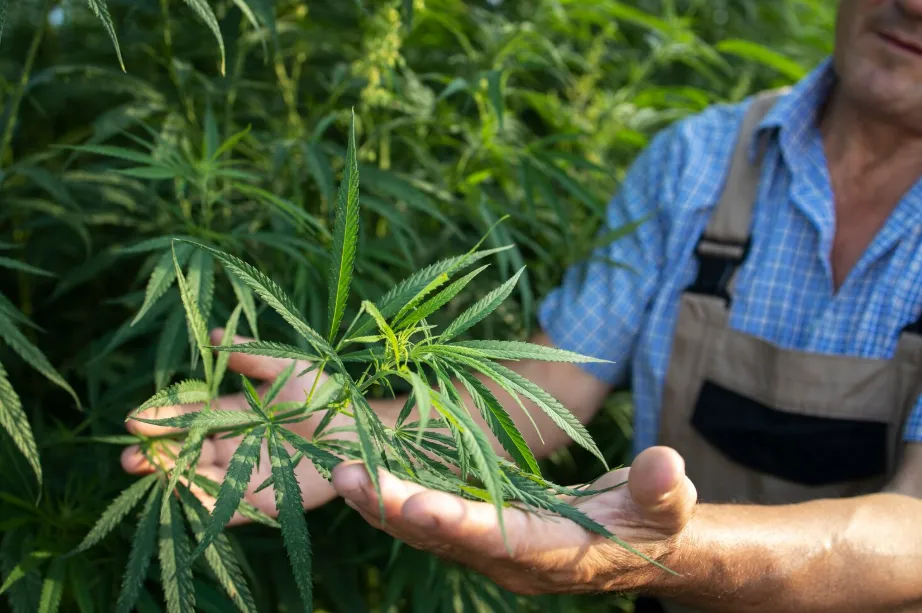
Hemp farming has experienced a remarkable resurgence in recent years as demand for hemp-derived products continues to grow. From hemp flower and CBD extracts to textiles, food products, and sustainable building materials, hemp has become one of the most versatile crops in modern agriculture.
As interest in hemp continues to expand, consumers are also seeking reliable sources for hemp-derived products. Retailers such as Alt Super Store offer a wide range of hemp-based options, highlighting the growing connection between hemp cultivation and the products available on today’s market.
But how is hemp grown? What conditions does it require, and what does the hemp farming process look like from seed to harvest?
In this complete guide to hemp farming, we’ll explore how hemp is cultivated, the different types of hemp crops, growing requirements, harvesting methods, and why hemp is becoming an increasingly popular agricultural commodity.
What Is Hemp Farming?
Hemp farming is the cultivation of industrial hemp, a variety of the Cannabis sativa plant containing no more than 0.3% Delta-9 THC on a dry-weight basis under U.S. federal law.
Unlike marijuana, hemp is grown for a wide range of purposes, including:
-
Hemp flower
-
CBD extraction
-
Hemp fiber
-
Hemp seeds
-
Hemp oil
-
Animal bedding
-
Hempcrete and construction materials
-
Sustainable textiles
Depending on the intended end product, farmers may use different cultivation methods and plant varieties.
Types of Hemp Crops
Before planting hemp, farmers must determine the primary purpose of their crop.
Fiber Hemp
Fiber hemp is cultivated for its strong stalks and durable fibers.
Common uses include:
-
Clothing
-
Rope
-
Paper
-
Textiles
-
Bioplastics
-
Industrial materials
Fiber hemp plants are usually tall and slender, reaching heights of 10 to 20 feet.
Grain Hemp
Grain hemp is grown primarily for seed production.
Hemp seeds are used in:
-
Protein powders
-
Hemp milk
-
Cooking oils
-
Nutritional supplements
-
Animal feed
These varieties are selected for high seed yields rather than fiber or cannabinoid production.
Cannabinoid Hemp
Cannabinoid hemp is cultivated for compounds such as:
-
CBD
-
CBG
-
CBC
-
CBDV
These plants produce large flowers rich in cannabinoids and are commonly used for wellness products and hemp extracts.
Ideal Growing Conditions for Hemp
Hemp is known for being a hardy and adaptable crop, but optimal conditions help maximize yield and quality.
Climate Requirements
Hemp grows best in:
-
Moderate climates
-
Warm temperatures
-
Regions with adequate sunlight
-
Areas with good air circulation
The ideal growing season generally lasts between 100 and 150 days depending on the variety.
Soil Requirements
Healthy soil is critical for successful hemp cultivation.
The best hemp-growing soils are:
-
Well-draining
-
Nutrient-rich
-
Loamy in texture
-
Slightly acidic to neutral (pH 6.0–7.5)
Poor drainage can increase the risk of root diseases and stunt plant growth.
Sunlight Needs
Hemp thrives in full sunlight.
Most hemp varieties require:
-
Six to eight hours of direct sunlight daily
-
Consistent exposure throughout the growing season
Sunlight plays a vital role in photosynthesis and overall plant development.
Preparing the Land for Hemp Farming
Proper field preparation helps ensure strong plant establishment and healthy growth.
Soil Testing
Before planting, farmers often conduct soil tests to evaluate:
-
Nutrient levels
-
pH balance
-
Organic matter content
These results guide fertilizer and soil amendment decisions.
Field Preparation
Preparation may include:
-
Removing weeds
-
Tilling the soil
-
Improving drainage
-
Adding organic matter or nutrients
A well-prepared seedbed promotes uniform germination and stronger root systems.
Planting Hemp Seeds
Planting methods vary depending on the type of hemp being grown.
Fiber Hemp Planting
Fiber hemp is planted densely to encourage:
-
Tall growth
-
Straight stalks
-
Minimal branching
Thousands of plants may be grown per acre.
Grain Hemp Planting
Grain hemp is planted with spacing optimized for seed production.
Farmers balance plant density to maximize both yield and harvesting efficiency.
Cannabinoid Hemp Planting
Cannabinoid hemp plants are spaced farther apart.
This allows:
-
Better airflow
-
Larger flowers
-
Improved sunlight penetration
-
Easier maintenance
Many cannabinoid hemp farms use transplants rather than direct seeding.
Water Requirements for Hemp
Although hemp is considered relatively water-efficient compared to many crops, it still requires adequate moisture during key growth stages.
Water needs depend on:
-
Climate
-
Soil type
-
Rainfall
-
Plant maturity
Young plants generally require more consistent moisture for healthy establishment.
Many farmers utilize drip irrigation systems to improve water efficiency and reduce waste.
Nutrient Requirements
Like other agricultural crops, hemp requires nutrients for optimal growth.
Key nutrients include:
Nitrogen (N)
Supports:
-
Leaf growth
-
Stem development
-
Overall plant vigor
Phosphorus (P)
Supports:
-
Root development
-
Flower formation
-
Energy transfer
Potassium (K)
Supports:
-
Disease resistance
-
Water regulation
-
Plant health
Farmers may also apply compost and organic fertilizers depending on cultivation practices.
Managing Weeds and Pests
One reason hemp is attractive to farmers is its natural vigor.
Weed Suppression
Fiber hemp, in particular, grows rapidly and creates a dense canopy that naturally suppresses many weeds.
This can reduce the need for herbicides.
Common Hemp Pests
Potential pests include:
-
Aphids
-
Caterpillars
-
Leafhoppers
-
Beetles
Integrated pest management practices help minimize crop damage while reducing environmental impact.
Disease Management
Common hemp diseases may include:
-
Powdery mildew
-
Gray mold
-
Root rot
-
Leaf spot diseases
Proper spacing, airflow, and moisture management help reduce disease pressure.
When Is Hemp Ready for Harvest?
Harvest timing depends on the crop’s intended purpose.
Fiber Hemp Harvest
Fiber hemp is usually harvested before flowering to maximize fiber quality and strength.
Grain Hemp Harvest
Grain hemp is harvested when seeds reach maturity and moisture levels are appropriate.
Cannabinoid Hemp Harvest
Cannabinoid hemp is harvested when flowers reach peak cannabinoid production.
Farmers often monitor:
-
Cannabinoid levels
-
Plant maturity
-
THC compliance
Proper timing is critical for product quality and legal compliance.
Hemp Harvesting Methods
Harvesting techniques vary by crop type.
Fiber Harvesting
Specialized equipment cuts hemp stalks, which are then processed for fiber extraction.
Grain Harvesting
Modified combines are commonly used to collect hemp seeds efficiently.
Flower Harvesting
Cannabinoid hemp flowers are often harvested by hand or with specialized equipment to preserve quality.
After harvest, flowers typically undergo drying and curing before further processing.
The Future of Hemp Farming
The hemp industry continues to evolve as demand grows for sustainable and plant-based products.
Emerging applications include:
-
Hemp bioplastics
-
Eco-friendly packaging
-
Sustainable construction materials
-
Hemp textiles
-
Cannabinoid wellness products
As technology improves and markets expand, hemp farming is expected to remain an important part of modern agriculture.
Frequently Asked Questions
Is Hemp Difficult to Grow?
Hemp is generally considered easier to grow than many specialty crops, although successful production still requires proper planning and management.
How Long Does Hemp Take to Grow?
Most hemp varieties mature within 100 to 150 days, depending on genetics and growing conditions.
Does Hemp Require a Lot of Water?
Hemp is relatively water-efficient compared to many conventional crops, but adequate moisture remains essential for healthy growth.
What Is Hemp Mainly Grown For?
Hemp is cultivated for fiber, seeds, cannabinoids, wellness products, textiles, food products, and numerous industrial applications.
Final Thoughts
Hemp farming combines agricultural efficiency with remarkable versatility. Whether grown for fiber, grain, or cannabinoid production, hemp offers farmers an opportunity to cultivate a crop that serves multiple industries while supporting sustainability initiatives.
Understanding how hemp is grown—from soil preparation and planting to harvesting and processing—helps explain why this ancient crop is once again becoming a major force in agriculture. As consumer demand for hemp-derived products continues to rise, hemp farming is likely to play an increasingly important role in the future of sustainable agriculture and manufacturing.
