
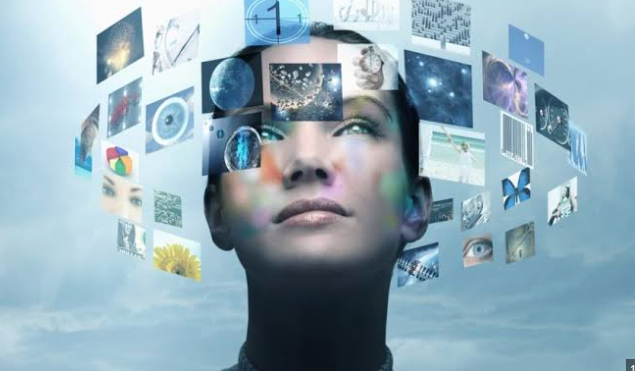
Technology is one of the most remarkable achievements of human civilization. It has changed the way people think, communicate, learn, work, and live. Every day, scientists and engineers develop new inventions that make life easier and solve complex problems. From the first mechanical machines to today’s intelligent computers, technology has played a major role in the progress of society. It continues to improve living standards and create opportunities for future generations.
In today’s world, technology is present everywhere. We use smartphones to communicate, computers to study and work, and the internet to search for information within seconds. Smart home devices control lighting, security systems, and household appliances automatically. These innovations save time, reduce effort, and improve convenience. As technology becomes more advanced, people are becoming increasingly dependent on digital systems in their daily lives.
Education has undergone a major transformation because of technology. Traditional classrooms are now supported by digital learning platforms, online libraries, educational applications, and virtual classrooms. Students can attend lectures from world-renowned universities without leaving their homes. Interactive software, animations, and virtual reality make learning more interesting and help students understand difficult topics more easily. Technology has also made education accessible to people living in remote areas where schools and educational resources are limited.
The healthcare industry has experienced incredible progress through technological innovation. Modern hospitals use advanced diagnostic machines such as MRI scanners, CT scanners, and digital laboratory equipment to detect diseases accurately. Robotic surgery enables doctors to perform delicate operations with greater precision and fewer complications. Artificial intelligence helps analyze medical data, while wearable health devices monitor patients’ physical conditions in real time. These developments have increased life expectancy and improved the quality of healthcare around the world.
Technology has become the foundation of the modern economy. Businesses use computers, cloud computing, artificial intelligence, and automation to increase productivity and improve customer service. Online shopping allows customers to purchase products from anywhere in the world, while digital payment systems make financial transactions quick and secure. Small businesses can advertise their products globally through social media and e-commerce platforms, creating new economic opportunities.
Communication has become faster than ever before. Emails, instant messaging applications, and video conferencing enable people to connect across continents within seconds. Social networking platforms help individuals share knowledge, promote businesses, and raise awareness about social issues. During emergencies and natural disasters, communication technology allows governments and rescue organizations to coordinate relief efforts more effectively.
Technology has also transformed agriculture. Modern farmers use drones to inspect crops, GPS-guided tractors for accurate farming, and smart irrigation systems to conserve water. Sensors monitor soil conditions, while weather forecasting technology helps farmers plan agricultural activities. These innovations increase crop production, reduce waste, and contribute to global food security.
Transportation systems have improved significantly due to technological advancement. Electric vehicles reduce pollution and dependence on fossil fuels. High-speed trains and advanced aircraft have made travel faster and more THỂ THAO NK88 . Navigation systems powered by satellites help drivers avoid traffic congestion and reach destinations safely. Researchers are developing self-driving vehicles that could revolutionize transportation in the near future.
Another important area influenced by technology is environmental protection. Scientists use satellite technology to monitor climate change, deforestation, and natural disasters. Renewable energy sources such as solar panels, wind turbines, and hydroelectric power reduce greenhouse gas emissions and support sustainable development. Smart technologies also help industries use energy more efficiently and reduce environmental pollution.
Despite its numerous advantages, technology also has certain disadvantages. Cybercrime, hacking, identity theft, and misinformation have become serious concerns. Excessive use of smartphones and social media may lead to addiction, stress, and reduced face-to-face interaction. Automation may replace some traditional jobs, requiring workers to develop new skills. Therefore, responsible use of technology and continuous education are essential for adapting to the changing world.
The future of technology is expected to bring extraordinary innovations. Artificial intelligence, quantum computing, NK88 , robotics, and space exploration will continue to transform society. Scientists are working on technologies that may cure serious diseases, provide clean energy, improve transportation, and even establish human settlements beyond Earth. These developments have the potential to solve many of humanity’s greatest challenges.
In conclusion, technology is a powerful force that continues to shape the modern world. It has improved education, healthcare, communication, agriculture, transportation, business, and environmental protection. Although it presents certain risks, its benefits far outweigh its disadvantages when used wisely. By promoting innovation, ethical practices, and digital responsibility, humanity can ensure that technology remains a source of progress, prosperity, and hope for future generations.
