
Technology has always been a driving force behind human civilization. Since the earliest days of human history, people have invented tools and machines to make life easier, safer, and more productive. Over time, these inventions have transformed every aspect of society, including education, healthcare, communication, transportation, agriculture, business, and scientific research. In the modern world, technology is no longer considered a luxury; it has become a necessity that supports economic growth, improves living standards, and connects people across the globe.
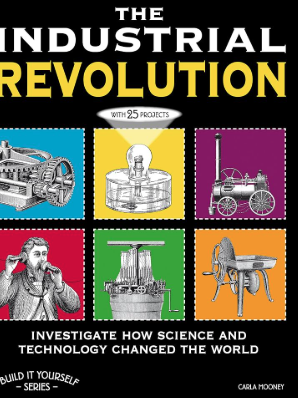
The journey of technological development began with simple inventions such as stone tools, the wheel, and the discovery of fire. These innovations helped early humans survive and build civilizations. As knowledge expanded, people developed new technologies like paper, the printing press, steam engines, and electricity. Each invention changed society in significant ways by increasing productivity and improving communication. The invention of computers and the internet in the twentieth century marked the beginning of the Digital Age, where information became available to billions of people within seconds.
One of the greatest advantages of technology is its impact on education. In the past, students depended mainly on printed books and classroom teaching. Today, technology has created a flexible learning environment where students can access online courses, digital libraries, educational videos, and virtual laboratories. Teachers use smart boards, multimedia presentations, and interactive software to explain difficult concepts more effectively. Artificial intelligence also helps personalize education by analyzing students’ learning patterns and suggesting suitable study methods.
Healthcare has achieved remarkable success through technological innovation. Modern hospitals are equipped with advanced medical devices that help doctors diagnose diseases quickly and accurately. Robotic surgery allows surgeons to perform delicate operations with greater precision, reducing recovery time for patients. Telemedicine enables doctors to provide consultations through the internet, making healthcare services available to people living in remote areas. Researchers use powerful computer systems to study diseases, develop vaccines, and discover new medicines that save millions of lives every year.
Technology has transformed the business world by improving efficiency and expanding global markets. Companies use artificial intelligence, automation, and cloud computing to increase productivity and reduce operational costs. Online shopping platforms have changed consumer behavior by allowing customers to purchase products from anywhere at any time. Digital banking and electronic payment systems have made financial transactions faster, safer, and more convenient. Small businesses can now compete internationally through digital marketing and e-commerce platforms.
Communication has become one of the most significant achievements of modern technology. Smartphones, emails, messaging applications, and video conferencing allow people to connect instantly regardless of distance. Businesses can hold international meetings online, universities can conduct virtual lectures, and families can maintain close relationships even when living in different countries. Social media has created new opportunities for learning, entertainment, business promotion, and public awareness.
Technology has also brought revolutionary changes to agriculture. Farmers use drones to inspect crops, GPS-guided tractors to improve accuracy, and smart irrigation systems to conserve water. Sensors monitor soil conditions and weather forecasting technologies help farmers plan agricultural activities more effectively. These innovations increase crop production while reducing environmental damage, helping to meet the food demands of a growing global population.
Transportation has become faster, safer, and more environmentally friendly due to technological progress. Electric vehicles reduce pollution and dependence on fossil fuels, while high-speed trains and modern aircraft shorten travel time. Navigation systems provide accurate directions and improve road safety. Scientists are developing autonomous vehicles that could reduce accidents caused by human error and improve transportation efficiency in the future.
Environmental protection has become another important area where technology plays a vital role. Renewable energy technologies such as solar panels, wind turbines, and hydroelectric power plants help reduce greenhouse gas emissions and combat climate change. Smart cities use digital technologies to improve traffic management, waste disposal, and energy conservation. Environmental monitoring systems help scientists study climate patterns, protect wildlife, and respond quickly to natural BẮN CÁ QS88 .
Although technology has many advantages, it also creates several challenges. Cybersecurity threats, hacking, online fraud, and data privacy issues continue to increase as more information is stored digitally. Excessive use of smartphones and computers can affect physical health, mental well-being, and social relationships. Automation may replace certain jobs, making continuous education and skill development essential. Therefore, governments, educational institutions, and technology companies must work together to promote responsible innovation and digital safety.
Ethics is becoming increasingly important in the development of modern technology. Artificial intelligence should be designed to respect human rights, protect privacy, and avoid unfair discrimination. Technology should be accessible to everyone, regardless of economic background, so that its benefits can be shared equally across society. Responsible innovation requires cooperation between scientists, governments, businesses, and citizens.
The future of technology is full of exciting possibilities. Artificial intelligence, robotics, quantum computing, biotechnology, nanotechnology, and space exploration are expected to revolutionize human life in the coming decades. These innovations may help cure serious diseases, improve food production, develop clean energy sources, and expand scientific knowledge beyond Earth. However, technological progress should always be guided by ethical values and a commitment to improving the well-being of humanity.
In conclusion, technology has become one of the greatest achievements in human history. It has transformed communication, QS88 , healthcare, business, agriculture, transportation, and environmental protection while creating countless opportunities for innovation and economic development. Although technology presents certain risks and challenges, responsible use and ethical leadership can ensure that its benefits continue to improve human life. As society moves toward an increasingly digital future, technology will remain a powerful force for progress, helping create a more connected, intelligent, and sustainable world for future generations.
