
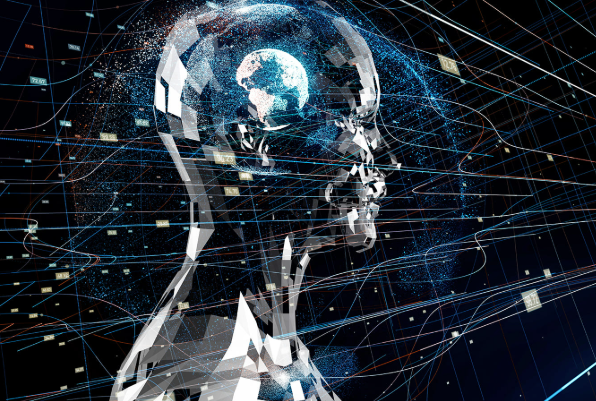
Technology is one of the greatest achievements of human civilization. It has transformed the way we live, work, learn, communicate, and solve problems. From the invention of the wheel to the development of artificial intelligence, technology has continuously improved the quality of human life. Today, it plays a vital role in almost every aspect of society and continues to shape the future of humanity.
One of the most significant impacts of technology is in the field of communication. In the past, sending a letter to someone in another country could take weeks or even months. Today, with the help of the internet, smartphones, and social media platforms, people can communicate instantly through text messages, voice calls, and video conferences. This has made the world more connected than ever before, allowing people to share ideas, build relationships, and work together across different countries and cultures.
Technology has also revolutionized education. Students no longer rely only on textbooks and classroom lectures. Online learning platforms, educational videos, digital libraries, and virtual classrooms provide access to knowledge from anywhere in the world. Teachers can use smart boards, multimedia presentations, and interactive software to make learning more engaging and effective. As a result, education has become more flexible and accessible for millions of people.
In the healthcare sector, technology has saved countless lives. Modern hospitals use advanced medical equipment such as MRI scanners, robotic surgery systems, and digital monitoring devices to diagnose and treat diseases more accurately. Telemedicine allows patients to consult doctors remotely, making healthcare services available even in rural and remote areas. Researchers also use technology to develop new medicines, vaccines, and treatments for serious diseases.
Businesses have experienced remarkable growth because of technological advancements. Companies use computers, cloud computing, artificial intelligence, and automation to improve productivity and reduce costs. Online shopping has become increasingly popular, allowing customers to purchase products from the comfort of their homes. Digital payment systems have made financial transactions faster, safer, and more convenient. Small businesses can now reach international markets through e-commerce and digital marketing.
Transportation has become faster, safer, and more efficient because of technology. Modern vehicles are equipped with GPS navigation, safety sensors, and fuel-efficient engines. High-speed trains, electric vehicles, and advanced aircraft have reduced travel time and improved convenience. Scientists are also working on self-driving cars and environmentally friendly transportation systems that may become common in the near future.
Agriculture has also benefited greatly from technology. Farmers use modern machinery, irrigation systems, drones, and satellite technology to monitor crops and increase production. Advanced farming techniques help reduce waste, conserve water, and improve food quality. These innovations are essential for feeding the world’s growing population.
Artificial Intelligence (AI) is one of the most exciting developments in modern technology. AI enables computers to perform tasks that normally require human intelligence, such as recognizing speech, analyzing QS88 , translating languages, and making decisions. AI is being used in healthcare, education, banking, transportation, and many other industries. Although AI offers tremendous opportunities, it also raises concerns about job displacement, privacy, and ethical decision-BẮN CÁ QS88 .
Despite its many advantages, technology also presents several challenges. Excessive use of smartphones and social media can lead to addiction, reduced physical activity, and mental health issues. Cybercrime, identity theft, and online fraud have become serious concerns in today’s digital world. Furthermore, the rapid growth of electronic waste and energy consumption has created environmental challenges that require sustainable solutions.
To address these issues, governments, organizations, and individuals must promote the responsible use of technology. Strong cybersecurity measures, digital literacy, environmental protection, and ethical guidelines are essential to ensure that technological progress benefits everyone. People should also maintain a healthy balance between digital life and real-world activities.
Looking ahead, the future of technology is full of exciting possibilities. Innovations in artificial intelligence, robotics, biotechnology, renewable energy, quantum computing, and space exploration have the potential to solve many of humanity’s greatest challenges. These advancements could improve healthcare, reduce poverty, protect the environment, and create new opportunities for economic growth.
In conclusion, technology is a powerful force that has transformed human civilization in countless ways. It has improved communication, education, healthcare, transportation, agriculture, and business while opening doors to endless innovation. Although it comes with certain risks and challenges, responsible use of technology can help build a smarter, healthier, and more sustainable world. As technology continues to evolve, it will remain one of the most important tools for shaping a better future for generations to come.
