
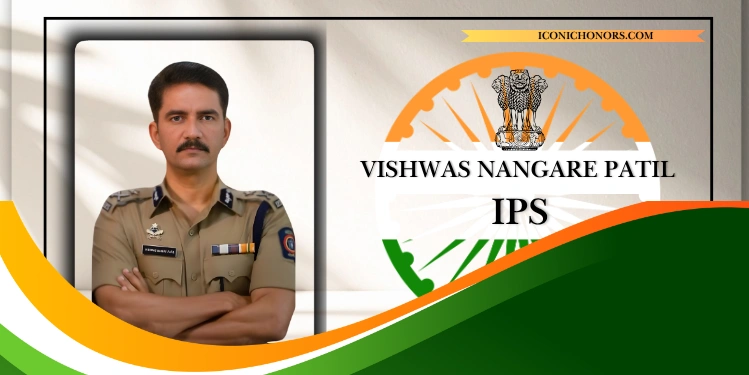
Vishwas nangare patil is a living legend in Indian policing—an epitome of courage, integrity, and selfless service. As ips vishwas nangare patil, he rose from humble rural roots to become one of Maharashtra’s most decorated and respected officers. His story is a beacon for millions of UPSC aspirants, proving that determination can conquer any obstacle.
Quick Facts Summary – Vishwas Nangare Patil
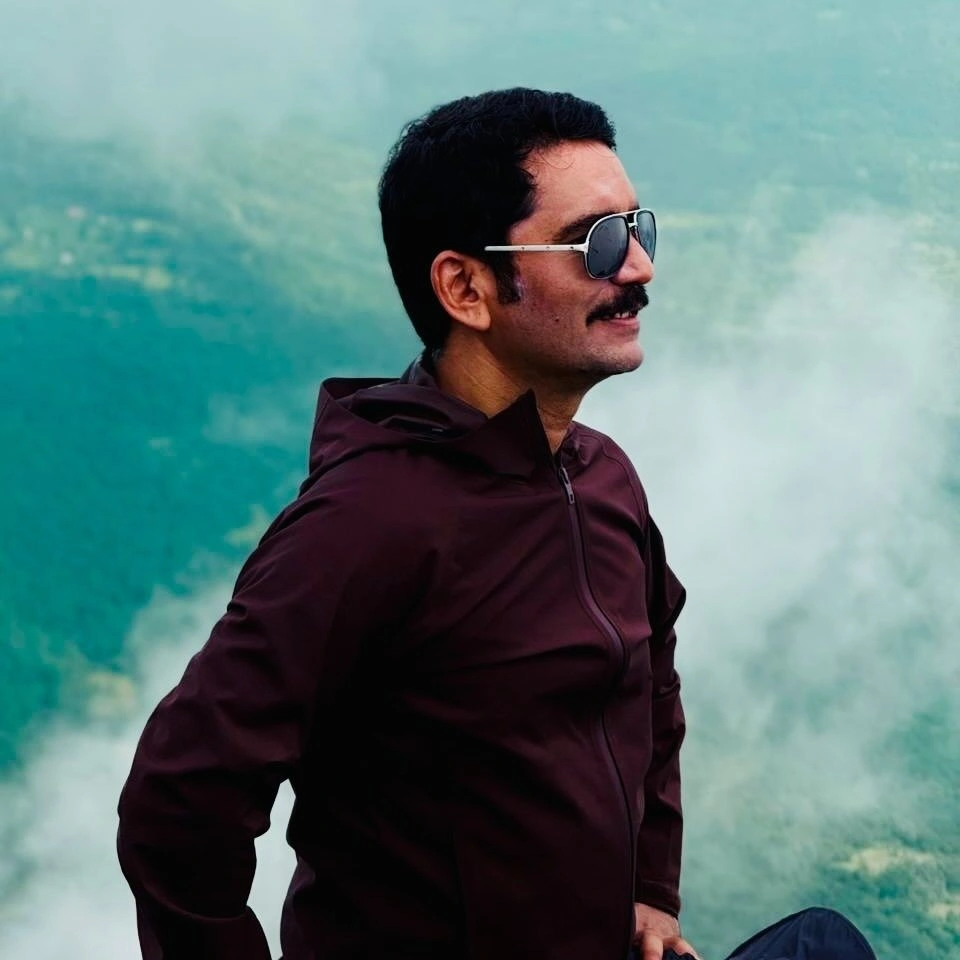
| Full Name | Vishwas Narayan Nangare Patil |
| Nickname | “Man Me Hai Vishwas” (Belief in Self) |
| Date of Birth | 5th October 1973 |
| Age (as of 2026) | 52-53 years |
| Birthplace | Kokrud Village, Battis Shirala, Sangli District, Maharashtra |
| Nationality | Indian |
| State/Region | Maharashtra |
| IPS Batch | 1997 Batch (Selection Year 2000, Age 25) |
| UPSC Rank | All India Rank 302 (First Attempt) |
| Service Years | 27+ Years in Indian Police Service (IPS) |
| Current Position (2026) | Special Inspector General (IG) of Police, Kolhapur Range |
| Religion | Hindu |
| Caste/Community | Patil (Agricultural Community) |
| Marital Status | Married |
| Spouse Name | Rupali Nangare Patil |
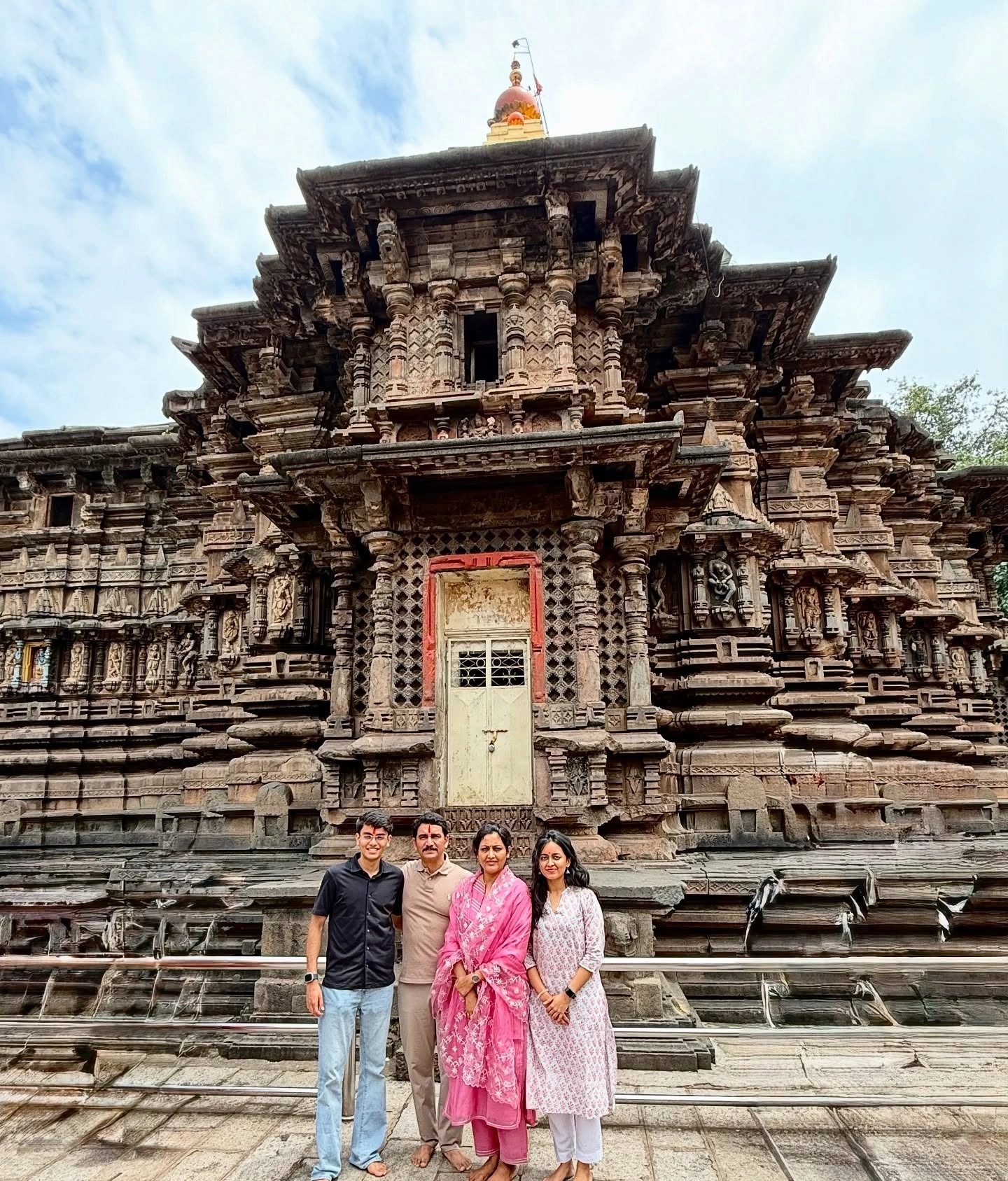
| Children | Son: Ranveer Nangare Patil | Daughter: Janhavi Nangare Patil |
| Most Prestigious Award | President’s Police Medal for Gallantry (2015) |
Personal Information – Vishwas Nangare Patil Details
| Category | Details |
|---|---|
| Birthplace | Kokrud village, Battis Shirala taluka, Sangli district, Western Maharashtra |
| Hometown Roots | Small agricultural village that shaped his discipline, values, and determination |
| Nationality | Indian |
| State | Maharashtra |
| Home District | Sangli |
| Religion | Hindu |
| Caste/Community | Patil (agricultural community known for farming and administrative roles) |
| Cultural Identity | Strong rural upbringing with deep connection to Marathi culture |
| Notable Fact | Maintains strong ties with Kokrud village and frequently mentors youth from his native region |
| Emotional Connection | Considers his birthplace his spiritual home and a source of inspiration |
Family & Personal Life – Vishwas Nangare Patil
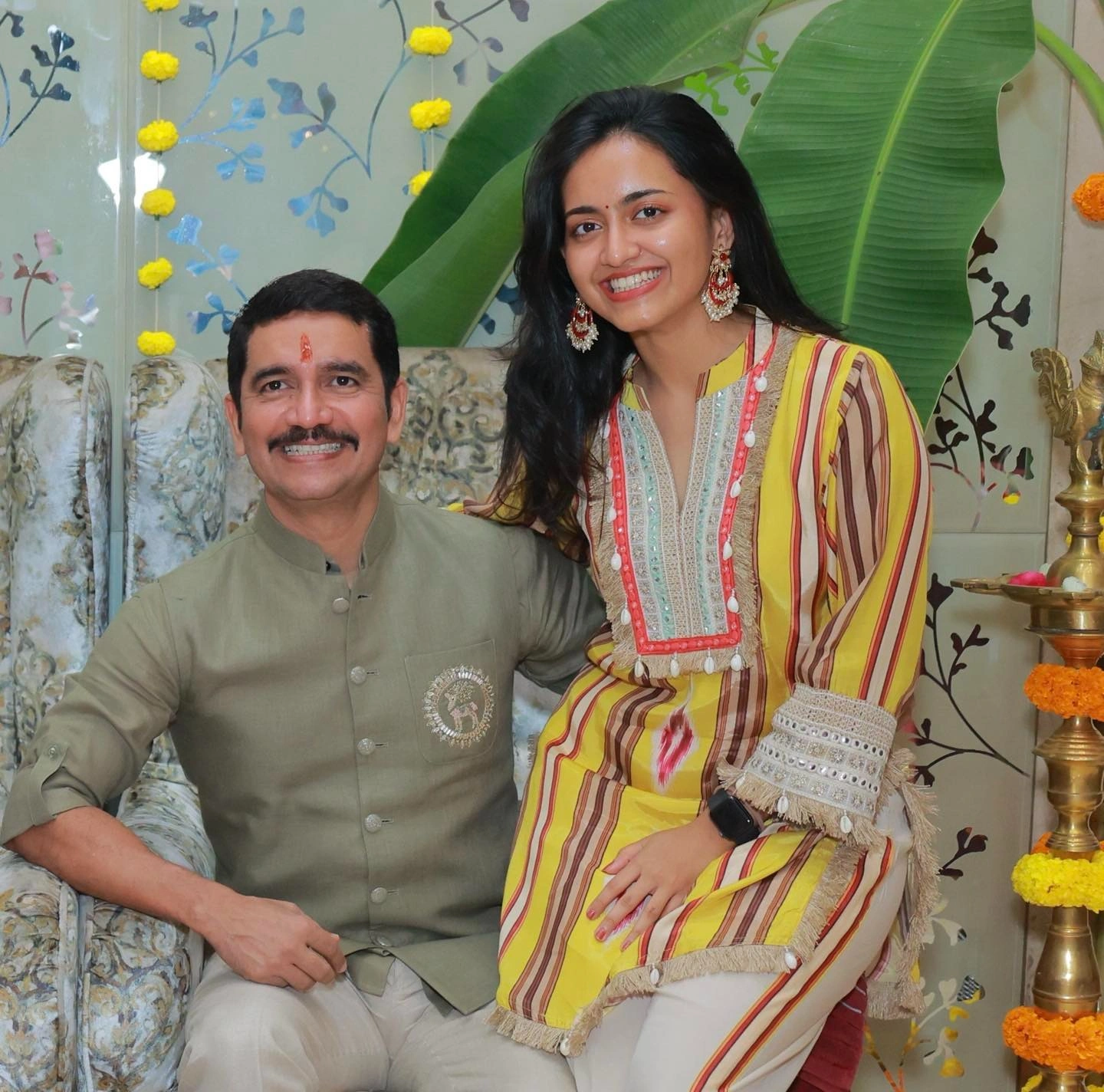
Parental Background & Early Influences
Vishwas Nangare Patil‘s parents came from humble, non-educated backgrounds, but their values of hard work, integrity, and honesty became the foundation of their son’s extraordinary life.
| Family Member | Details & Information |
|---|---|
| Father | Narayan Nangare Patil – Education till 4th standard. Served as Sarpanch (village chief) of Kokrud, embodying community service and administrative values |
| Mother | Education till 2nd standard. Despite limited formal education, she instilled strong moral values in her son |
| Father’s Profession | Sarpanch & Farmer – Managed village affairs and agricultural land |
| Family Background | Agricultural/Farming Community – Simple, hardworking lifestyle rooted in rural traditions |
| Socioeconomic Status | Lower-middle class, limited resources but rich in values and character |
Marriage Details
| Category | Details |
|---|---|
| Spouse Name | Rupali Nangare Patil (Rupa Nangare Patil) |
| Marriage Date | 28th November 2000 |
| Marriage Location | Dhule, Maharashtra |
| Position During Marriage | Deputy Superintendent of Police (DSP), Dhule |
| Marital Status | Happily Married (25+ Years) |
| Support System | Strong pillar of support throughout his IPS career |
👶 Children Details
| Child | Name & Details |
|---|---|
| Son | Ranveer Nangare Patil – Follows values of integrity and excellence |
| Daughter | Janhavi Nangare Patil – Raised with strong moral and educational principles |
🌟 Family Philosophy & Values
| Aspect | Details |
|---|---|
| Core Values | Integrity, hard work, service to society, continuous learning |
| Traditions | Deep connection to Marathi culture and rural roots |
| Lifestyle | Simple, disciplined, and value-driven |
| Social Responsibility | Active mentoring and guidance for youth aspirants |
| Community Ties | Strong engagement with native village and district |
🏡 Hometown & Residence
| Category | Details |
|---|---|
| Native Hometown | Kokrud Village, Battis Shirala, Sangli District |
| Current Residence | Maharashtra (varies based on official postings) |
| Spiritual Home | Kokrud Village (deep emotional and cultural connection) |
📖 Family Anecdote (Inspiring Incident)
| Event | Description |
|---|---|
| 26/11 Mumbai Attacks Incident | During the 2008 Mumbai attacks, his family in Kokrud feared the worst and even began preparing funeral rites due to lack of communication. |
| Emotional Moment | Relief came when they heard his voice on wireless at 4:30 AM the next morning. |
| Significance | Highlights the immense sacrifices made by families of police officers |
Educational Background – Vishwas Nangare Patil’s Academic Journey
Early Education & Academic Excellence
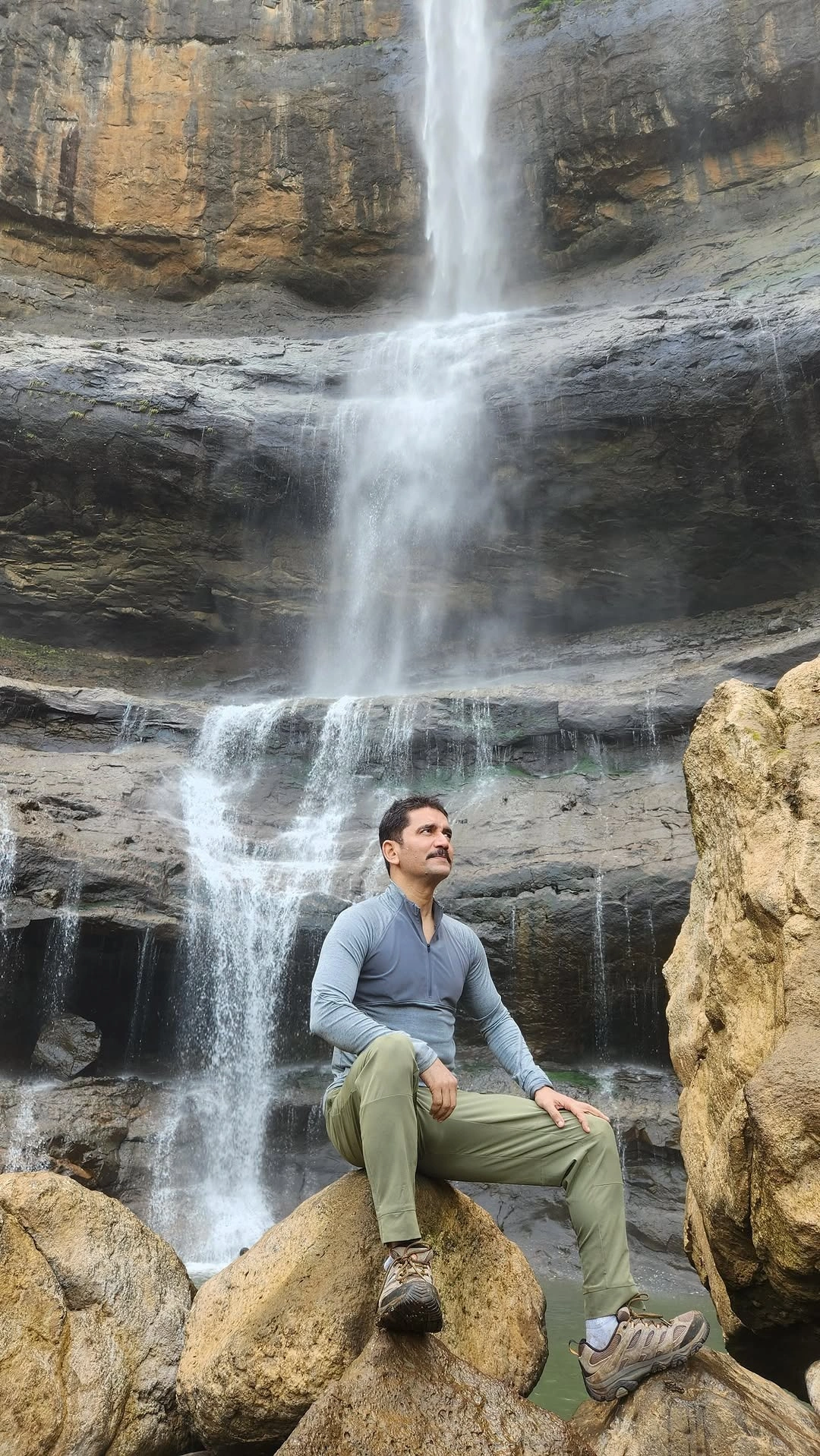
| Education Level | Institution & Details | Academic Performance |
|---|---|---|
| Primary & Secondary | Taluk School, Shirala (Village School) | Exceptional student, strong foundation |
| 10th Standard (SSC) | Taluk School, Shirala, Sangli District | 88% Marks – Outstanding performance |
| 12th Standard (HSC) – Science | High School, Sangli District | Completed Science stream successfully |
| Graduation – Arts Stream | Shivaji University, Kolhapur, Maharashtra | BA in History – Strong academic record |
Higher Education & Specializations
Bachelor of Arts (BA) – HistoryShivaji University, Kolhapur. His choice of History reflects his interest in understanding society, culture, and governance. This background proved invaluable in his later role as a police administrator.
Master of Business Administration (MBA)Osmania University – Specialization in Police Management. Pursued during his IPS career to enhance administrative capabilities. This qualification elevated his competence in organizational management and strategic planning.
Bachelor of Laws (LLB)Pursued after IPS selection to strengthen legal knowledge and understanding. This qualification proved crucial in his roles handling complex criminal cases and counter-terrorism operations.
IPS Foundation Course & TrainingCompleted in 1997 at the National Police Academy (or appropriate IPS training institution). Rigorous training in law enforcement, criminal procedure, and public service ethics.
College Roommate – An Interesting Connection
An intriguing anecdote from Vishwas Nangare Patil’s college days reveals his connection to Bollywood. During his college hostel stay at Shivaji University, his roommate was R. Madhavan, who later became a famous Bollywood and Tamil cinema actor. This connection is often cited in educational circles as an example of how diverse paths of life can cross in educational institutions, whether leading to public service or entertainment.
Self-Study & UPSC Preparation
After completing his graduation, Vishwas Nangare Patil made a pivotal decision: to prepare for the Union Public Service Commission (UPSC) Civil Services Examination without expensive coaching centers or mentors. This required extraordinary discipline:
- Daily Routine: Woke at 3:00 AM every morning
- Commute: Traveled 80 km from Ambivali to CST (Central Station), Mumbai
- Library Hours: Arrived at library at 5:30 AM, studied till 8:30 PM daily
- Living Conditions: Stayed at cousin’s house despite long commute
- Expenses: Minimal food and living expenses to save resources
- Determination: First person to arrive at library, often last to leave
- Resources: Relied on public libraries instead of expensive study materials
UPSC or Career Timeline
ips vishwas nangare patil has had a stellar career spanning rural and urban postings. Here is the year-wise overview:
| Year/Period | Milestone / Posting | Key Contribution |
|---|---|---|
| 1997 | Joined IPS (1997 batch); completed training | Selected through UPSC from rural background |
| 2002–2004 | Superintendent of Police, Latur | Efficient rural policing |
| ~2008 | Deputy Commissioner of Police, Zone-1, South Mumbai | Heroic 26/11 Taj Hotel operation |
| 2010–2011 | Superintendent of Police, Thane Rural | Promoted to Additional CP Mumbai West |
| 2011 | Additional Commissioner of Police, Mumbai West Region | Urban law enforcement excellence |
| 2015–2016 | Special IG, Aurangabad Range | Anti-crime initiatives |
| ~2016–2020 | Commissioner of Police, Nashik | City-wide safety reforms |
| 2020–2022 | Joint Commissioner of Police (Law & Order), Mumbai | Maintained peace in metropolis |
| 15 Dec 2022–Present | Additional Director General of Police, Anti-Corruption Bureau, Maharashtra | Leading state-wide anti-graft drive |
Continuous Learning Philosophy
Vishwas Nangare Patil exemplifies the principle of lifelong learning. Even after becoming an IPS officer, he pursued MBA and LLB qualifications to enhance his expertise. This commitment to continuous education and skill development is a hallmark of his professional approach and has contributed significantly to his effectiveness as a police administrator.
Educational Legacy
His educational journey from a village taluk school to UPSC success to advanced professional qualifications serves as an inspiring template for aspirants from humble backgrounds. It proves that lack of formal coaching or resources is no barrier to achieving India’s most competitive civil service examination.
Physical Statistics – Table Format
| Category | Details |
|---|---|
| Height | Approximately 5’10” to 6′ (Tall, commanding presence) |
| Build | Athletic, fit, well-maintained physique |
| Eye Color | Brown (dark eyes – typical Indian features) |
| Hair Color | Black (naturally, with some grey due to age) |
| Complexion | Wheatish/Fair (medium Indian complexion) |
| Age & Appearance | 52–53 years old; maintains a youthful and energetic appearance through fitness |
Career Timeline – Vishwas Nangare Patil IPS Officer Postings
Vishwas Nangare Patil’s distinguished career spanning 27+ years demonstrates consistent excellence, rapid promotions, and increasing responsibilities across Maharashtra police hierarchy.
| Year(s) | Position & Location | Achievements & Key Events |
|---|---|---|
| 1997 | IPS Training Completion | Completed foundation and professional training in police administration |
| 2000 | UPSC Selection – Age 25 | All India Rank 302 – Selected for Indian Police Service |
| 2000-2002 | Addl. SP (Additional Superintendent) – Nanded | First posting, learning ground-level police administration |
| 2002-2004 | Superintendent of Police (SP) – Latur District | First major independent posting, managing entire district law & order |
| 2004-2005 | Superintendent of Police (SP) – Ahmadnagar | Continued district management, building administrative expertise |
| 2005-2008 | Superintendent of Police (SP) – Pune Rural | Large rural jurisdiction management, November 2005 to June 2008 |
| 2008 (26 Nov) | Deputy Commissioner of Police (DCP) – Zone 1, South Mumbai | 26/11 Terror Attack – Heroic Actions at Taj Hotel |
| 2008-2010 | Deputy Commissioner of Police (DCP) – Zone 1, Mumbai Police | Managed aftermath of 26/11, critical policing in high-tension period |
| 2010-2011 | Superintendent of Police (SP) – Thane Rural | Returned to district level, managing large rural jurisdiction |
| 2011-2012 | Additional Commissioner of Police – Mumbai | Promotion to Additional Commissioner level in metropolis |
| 2012-2015 | Deputy Inspector General (DIG) – Anti-Corruption Bureau, Maharashtra | Senior position fighting corruption in state administration |
| 2015 | President’s Police Medal for Gallantry Award | Awarded for bravery during 26/11 counter-terrorism operations |
| 2015-2016 | Commissioner of Police – Nashik City | Highest city-level police position, managing major city’s law & order |
| 2016 | Inspector General (IG) – Aurangabad Range | Multi-district range command, June 2016 onwards |
| 2018-2020 | Joint Commissioner of Police – Law & Order, Mumbai | Senior position managing law and order in India’s financial capital |
| 2020-Present | Special Inspector General (IG) – Kolhapur Range / Special Assignments | Current assignment in his home region (Kolhapur-Sangli area) |
Career Progression Analysis
Vishwas Nangare Patil’s career trajectory shows consistent upward mobility:
- Rapid Promotions: From Addl. SP to IG level within 16-20 years
- Diverse Experience: Rural districts to metropolitan cities to state-level positions
- Specialized Roles: Anti-corruption work, special operations, city management
- Homecoming: Recent posting in Kolhapur Range (home region) recognizes his stature
- 27+ Years of Service: Long career demonstrating sustained excellenc
Major Achievements & Recognition – Vishwas Nangare Patil Awards
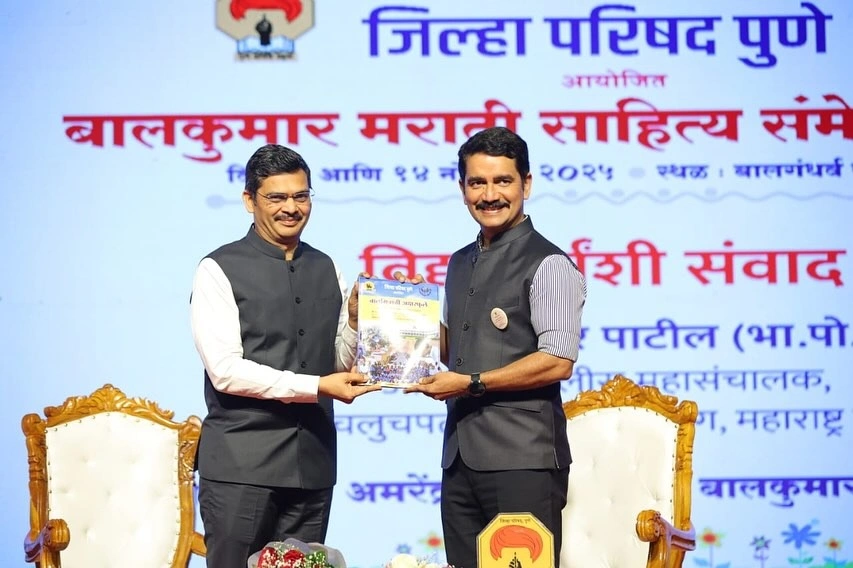
Highest Honor – President’s Police Medal for Gallantry
President’s Police Medal (Shaurya Padak) – For Gallantry
The most prestigious award in Indian police service, awarded by the President of India. Vishwas Nangare Patil received this honor for his exceptional courage and bravery during the 26/11 Mumbai terror attacks of 2008, where he entered the Taj Hotel without bulletproof protection to confront armed terrorists.
Major Recognition & Awards
| Award/Recognition | Year | Criteria & Description |
|---|---|---|
| President’s Police Medal for Gallantry | 2015 | Highest police award for bravery and exceptional service in counter-terrorism operations during 26/11 Mumbai attacks |
| Professional Excellence | 2000-Present | Consistent recognition for outstanding policing, crime prevention, and administrative management across 27+ years |
| Anti-Corruption Work Recognition | 2012-2016 | Leadership in Anti-Corruption Bureau’s operations against systemic corruption in Maharashtra |
| Youth Icon & Mentor Status | 2010-Present | Widely recognized as role model for UPSC aspirants and young police officers nationwide |
| Author Recognition | 2015-Present | Autobiography “Man Me Hai Vishwaas” became bestseller in Marathi literature and motivational books |
| Social Media & YouTube Recognition | 2015-Present | Viral motivational speeches and interviews; millions of followers across platforms |
Decorations & Insignias
Title: IPS, PPMG (Police Medal for Gallantry holder)
Medals & Insignias: Authorized to wear President’s Police Medal ribbon and insignia
Rank Insignia: Inspector General or Special Inspector General – senior police officer insignia
Distinguished Career Milestones
- First Police Officer to Enter Taj Hotel: 26/11 Terror Attack (Historic Achievement)
- Rave Party Raids: 2007 – 280 arrests; 2012 – High-profile event disrupted
- Acting Without Fear or Favor: Consistently enforced law regardless of social status
- Metropolitan Policing: Managed Mumbai Police – India’s most challenging metropolitan force
- Range Administration: Commanded multiple-district police ranges
26/11 Mumbai Terror Attack – Vishwas Nangare Patil, The Hero
The night of 26th November 2008 is etched in Indian history as one of the darkest and most defining moments of national security. Vishwas Nangare Patil, then Deputy Commissioner of Police (DCP) Zone-1, South Mumbai, emerged as a beacon of courage during this catastrophic terror attack. His actions during those harrowing hours earned him the nation’s highest police award for bravery.
The Taj Hotel Siege
Vishwas Nangare Patil’s Heroic Response
| Aspect | Details & Significance |
|---|---|
| Position During Attack | Deputy Commissioner of Police (DCP), Zone 1, South Mumbai – First responder to the incident |
| Immediate Action | Among the first to rush to Taj Hotel despite ongoing violence and threat |
| Personal Protection | NO bulletproof vest, NO advanced tactical weapons – Only armed with a Glock pistol and determination |
| Tactical Decision | Decided to enter the hotel immediately with limited personnel to prevent civilian casualties in Crystal Hall |
| Civilian Lives at Risk | 400-500 people in the hotel, many in wedding reception – maximum civilian risk |
| Combat Engagement | Directly confronted armed terrorists; successfully shot one terrorist in the leg |
| Personal Cost | One of his bodyguards, Amit, was shot and killed; another bodyguard injured |
| Crystal Hall Impact | His decisive action prevented terrorists from accessing the wedding hall where ~400 civilians were trapped |
Moment of Crisis – Family’s Uncertainty
One of the most poignant aspects of the 26/11 incident is the plight of Vishwas Nangare Patil’s own family. While he was fighting terrorists at the Taj Hotel:
- Communication Blackout: His family had no information about his whereabouts or safety
- Worst Fears: When they learned about the terror attack and saw deaths of senior officers like Hemant Karkare and Ashok Kamte, they feared the worst
- Funeral Preparations: Family in Kokrud village began preparations for his funeral rites
- Heart-Breaking Wait: Entire night and early morning in agony, uncertainty about his survival
- Moment of Relief: At 4:30 AM the next morning, another IPS officer heard Vishwas’s voice on the wireless communication and informed his family of his safety
- Return Home: Around 7:00 AM, after NSG commandos took control of rescue operations, he returned home safely
(If my hands trembled that night, if my family came before my eyes, if I felt fear, I would have fallen in my own eyes forever.)
– Vishwas Nangare Patil, on the 26/11 experience
Tactical Brilliance & Courage
Vishwas Nangare Patil’s actions during 26/11 demonstrated:
- Split-Second Decision Making: Assessed situation and acted immediately to save civilian lives
- Personal Courage: Entered a hostile environment knowing the odds were against him
- Leadership Under Fire: Took charge without waiting for higher commands or additional backup
- Tactical Combat: Successfully engaged armed terrorists despite lacking advanced weapons or protection
- Civilian Priority: His primary concern was preventing casualties in the wedding hall
- Sacrifice Acceptance: Willing to risk his life and the lives of his security detail for public safety
Legacy of the 26/11 Actions
National Recognition & Honor
In 2015, seven years after the attack, the Ministry of Home Affairs Committee awarded Vishwas Nangare Patil the President’s Police Medal for Gallantry without even requiring detailed discussion. The valor was so obvious that the award was virtually automatic. This is the highest honor any police officer can receive for bravery and exceptional service.
Lasting Impact
The 26/11 incident, particularly Vishwas Nangare Patil’s role, fundamentally shaped:
- Police Training: New protocols for counter-terrorism response
- Public Service Values: Demonstration of what true public service means
- National Consciousness: His name became synonymous with courage in law enforcement
- Youth Inspiration: Thousands of youth cite his actions as motivation for joining police/civil services
- Family Sacrifice: Highlighted the enormous sacrifices made by families of police officers
Detailed Biography – Vishwas Nangare Patil Life Story
Early Life: From Rural Roots to Big Dreams (1973-1990)
Vishwas Nangare Patil was born on 5th October 1973 in the sleepy village of Kokrud, nestled in the Battis Shirala taluka of Sangli district in Western Maharashtra. Sangli, known for its agricultural prosperity and thriving sugarcane industry, is predominantly an agricultural region where farming families have worked the land for generations.
His father, Narayan Nangare Patil, was the Sarpanch (village headman) of Kokrud – a position of considerable respect in the village hierarchy. Despite his administrative role, Narayan’s formal education had stopped at the 4th standard. Similarly, Vishwas’s mother had studied only till the 2nd standard. Yet these humble, non-educated parents possessed something far more valuable: strong moral values, unwavering integrity, and a commitment to hard work.
The Patil family belonged to an agricultural community with deep roots in farming and village management. Land was their wealth, hard work was their religion, and service to the community was their calling. Young Vishwas grew up in this environment of values, watching his father manage village affairs and learning the meaning of public service.
School Days: The Foundation (1980-1991)
Vishwas attended the Taluk School in Shirala, a government institution serving the taluka. Here, despite limited resources and the simplicity of rural education, the boy displayed remarkable academic aptitude. His teachers noticed an unusual combination of intellect, discipline, and curiosity in this village boy.
In his 10th standard examination (SSC), Vishwas achieved an outstanding 88% score – an exceptional result even by metropolitan standards, remarkable in a rural taluk school. This 88% wasn’t the result of expensive coaching or tutoring; it came from hard work, focus, and innate ability. For his 12th standard, he initially chose the Science stream, following the typical ambitious student path. However, after deep reflection, he switched to the Arts stream for his graduation.
College Education: Expanding Horizons (1991-1996)
After completing his 12th standard, Vishwas enrolled at Shivaji University in Kolhapur for his Bachelor of Arts degree with History as his principal subject. Kolhapur, home to Shivaji University, is a historically significant city associated with the legacy of Chhatrapati Shivaji Maharaj – the 17th-century warrior king and founder of the Marathi Empire.
Choosing History as his major was significant. While many ambitious students pursued Science or Commerce, Vishwas’s choice of History reflected a deep interest in understanding human society, historical processes, governance, and how civilizations evolved. This intellectual foundation would later prove invaluable in his police career.
College at Shivaji University exposed Vishwas to a wider world. Living in the hostel, he encountered students from diverse backgrounds. One notable roommate was R. Madhavan, who would later become a famous Bollywood and Tamil cinema actor. While Madhavan pursued entertainment, Vishwas remained focused on his academics and larger goals, demonstrating the clarity of his vision even at that early age.
The Turning Point: UPSC Dream (1996-2000)
After graduating with a BA in History, Vishwas Nangare Patil faced a critical life decision. He had the educational qualifications for various government and private sector jobs. But something deeper called him: the dream of civil service, specifically the Indian Police Service (IPS).
Why IPS? Not for prestige or power, but for a genuine desire to serve the nation, to make a difference in people’s lives, to fight corruption and injustice. This decision showed his maturity and idealism at a young age.
What followed was one of the most remarkable chapters of sacrifice and discipline in Indian UPSC preparation history:
The UPSC Preparation Marathon: Discipline Beyond Measure (1996-2000)
Unlike many IAS/IPS aspirants who could afford to join expensive coaching centers in Delhi with private tutors and comfortable accommodations, Vishwas Nangare Patil chose the path of self-reliance. He decided to prepare for UPSC without formal coaching, without mentors, without any significant financial support.
Here’s what his daily life during UPSC preparation looked like:
- 3:00 AM Wake-Up: Every single morning, without exception, Vishwas woke at 3 AM
- 80 KM Journey: He traveled 80 kilometers from Ambivali (a town near Kolhapur) to CST (Central Railway Station) in Mumbai
- 5:30 AM Library Arrival: Despite the long commute, he was among the first to arrive at the library by 5:30 AM
- 12-Hour Study Sessions: From 5:30 AM to 8:30 PM – a grueling 15-hour day including travel
- Stayed with Cousin: Lived at his cousin’s house in or near Mumbai during the week
- Minimal Expenses: Ate affordable meals, invested every rupee in education
- No Shortcuts: Relied on public libraries and government publications, not expensive test series
- Persistent Focus: Four years of this regimen without weakening
This wasn’t just preparation; it was a transformation. The discipline required, the sacrifices made, and the single-minded focus demonstrate why Vishwas Nangare Patil succeeded where millions fail. He understood that success requires not just intelligence, but relentless determination.
UPSC Success: The Breakthrough (2000)
In the year 2000, at just 25 years of age, Vishwas Nangare Patil cleared the Union Public Service Commission examination. His result: All India Rank 302 out of more than 1 million applicants.
Think about this: In an examination with over a million candidates across all services (IAS, IPS, IFS, IRS, etc.), he ranked in the top 302. This placed him among India’s elite civil servants and guaranteed his selection in a prestigious service. He chose the Indian Police Service (IPS), the Maharashtra cadre.
At 25 years old, Vishwas had achieved what hundreds of thousands of Indian youths dream about but never accomplish. From a village with parents who had limited formal education, he had risen to join the most selective civil service in India. The personal transformation was complete.
IPS Career: 27+ Years of Service (2000-Present)
Post-UPSC selection, Vishwas Nangare Patil was posted to various locations across Maharashtra, each assignment bringing new challenges and opportunities to prove his mettle:
Early Postings – Learning the Ropes (2000-2008): From Dhule to Nanded to Aurangabad to Pune Rural to Latur to Ahmadnagar, Vishwas gained hands-on experience in diverse geographical and demographic contexts. He learned how to manage law and order in agricultural towns, how to handle communal tensions, how to investigate complex crimes, and how to connect with common people.
The 26/11 Moment – Testing of Character (2008): His posting as Deputy Commissioner of Police, Zone 1, South Mumbai coincided with India’s darkest night. When the 26/11 terror attacks struck on 26th November 2008, Vishwas Nangare Patil didn’t hesitate. Without proper protection, without waiting for higher orders, he rushed to the Taj Hotel where approximately 400-500 civilians were trapped.
What followed was an act of exceptional bravery that would define his legacy. Entering a hotel complex controlled by armed terrorists, engaging them in direct combat, shooting one in the leg, preventing them from reaching the Crystal Hall where a wedding reception was underway – these actions demonstrated his commitment to the oath he had taken: to protect citizens at all costs.
One of his bodyguards, Amit, was killed in this encounter. Another was injured. But hundreds of civilians’ lives were saved because of his decisiveness. For hours, his family didn’t know his fate. The nation watched the terror unfold on television. When, at 4:30 AM the next morning, another officer heard his voice on the wireless and informed his family that he was alive, it was a moment of immense relief and immense pride.
Post-26/11 Career Ascension (2008-Present): His bravery didn’t go unnoticed. Over the following years, he was promoted through ranks – to senior positions in the Anti-Corruption Bureau, to Commissioner of Police in Nashik city, to Joint Commissioner in Mumbai, and eventually to Inspector General positions managing multiple-district ranges.
Throughout these 27+ years, Vishwas Nangare Patil continued his commitment to learning. He pursued an MBA in Police Management and an LLB degree to enhance his administrative and legal acumen. This continuous improvement mindset is a hallmark of his career.
The Author: “Man Me Hai Vishwaas” (2015-Present)
Recognizing the inspirational value of his journey, Vishwas Nangare Patil authored an autobiography in Marathi titled “Man Me Hai Vishwaas” (Belief in Self). This book became a bestseller, particularly among Marathi-speaking population and UPSC aspirants across India.
The book isn’t just a recounting of facts; it’s a motivational treatise on:
- Overcoming Adversity: How humble beginnings are not limitations but launching pads
- Discipline & Focus: The power of consistent, dedicated effort over years
- Moral Courage: Making right decisions even when difficult
- Public Service: Finding purpose in serving others and nation
- Continuous Growth: Never stopping learning, always evolving
Readers often cite this book as a turning point in their lives, giving them the courage to pursue UPSC examinations despite all odds.
The Motivational Speaker: Inspiring Millions (2010-Present)
Beyond his official duties, Vishwas Nangare Patil has become a sought-after motivational speaker. His YouTube channel features dozens of speeches delivered to college students, UPSC aspirants, and youth organizations.
His speeches are notable for:
- Authenticity: He doesn’t offer motivational platitudes; he shares his real struggles
- Practical Advice: Specific tips on UPSC preparation, maintaining discipline, overcoming fear
- Emotional Connection: Stories that touch hearts and inspire action
- Simplicity: He speaks in Marathi and English, making him accessible to broader audiences
- Consistency: Despite a demanding career, he regularly engages with youth
His social media presence, particularly YouTube, has millions of views. His speeches frequently go viral, shared by aspiring IAS/IPS officers, school students, and people facing personal challenges.
Recognition: President’s Police Medal (2015)
Seven years after the 26/11 attack, in 2015, Vishwas Nangare Patil received the President’s Police Medal (Shaurya Padak) for Gallantry. This award, presented by the President of India, is the highest recognition an Indian police officer can receive for bravery.
The Ministry of Home Affairs Committee didn’t require extensive discussion to award him this medal. The valor was self-evident. This honor cemented his status not just as a remarkable police officer, but as a national hero.
Current Phase: Legacy Building (2020-Present)
In recent years, Vishwas Nangare Patil has been appointed to the Kolhapur Range – his home region in Maharashtra. This posting is particularly significant as it marks a homecoming, allowing him to contribute to the development and policing of his native district.
His current focus includes:
- Mentoring Youth: Regular guidance sessions for UPSC aspirants
- Institutional Development: Strengthening police forces in his jurisdiction
- Anti-Corruption: Continuing fight against systemic corruption
- Public Engagement: Building trust between police and community
- Legacy Preservation: Documenting lessons for future generations of officers
Conclusion – The Legacy of Vishwas Nangare Patil
Vishwas Nangare Patil represents the very best of what Indian public service can be. From a small village in Sangli district where his parents had limited formal education, he rose through sheer determination, discipline, and moral courage to become one of Maharashtra’s most respected and decorated police officers.
His journey defies the narrative that background determines destiny. Born to a Sarpanch and farmer parents with minimal education, he achieved the All India Rank 302 in UPSC’s most competitive examination. He didn’t attend expensive coaching centers; he studied in public libraries. He didn’t have mentors guiding him; he forged his own path. He didn’t compromise his values for convenience; he stood by principles even when politically or socially difficult.
Read More: Smita Sabharwal IAS,anshika verma ips , srushti deshmukh age
Frequently Asked Questions
Q1: What is Vishwas Nangare Patil’s current position in 2026?
Q2: What is Vishwas Nangare Patil’s UPSC rank?
Q3: Is Vishwas Nangare Patil married? Who is his wife?
Q4: How many children does Vishwas Nangare Patil have?
Q5: What is Vishwas Nangare Patil’s age and date of birth?
Q6: What award did Vishwas Nangare Patil receive for 26/11 Mumbai attacks?
Q7: What role did Vishwas Nangare Patil play in 26/11 Mumbai attacks?
Q8: Where was Vishwas Nangare Patil born?
Vishwas Nangare Patil was born in Kokrud village, Battis Shirala taluka, Sangli district, Western Maharashtra. His father served as the Sarpanch (village headman) of Kokrud. The village is his spiritual home, and he maintains connections with it despite his prominent position.
Q9: How many years has Vishwas Nangare Patil served in the IPS?
Vishwas Nangare Patil has served for 27+ years in the Indian Police Service. He was selected in 2000 and has held various positions across Maharashtra, from small towns to metropolitan cities, rising to the rank of Special Inspector General (IG).
Q10: What is Vishwas Nangare Patil’s autobiography called?
Explore more blogs at: Pavan Datta IAS