

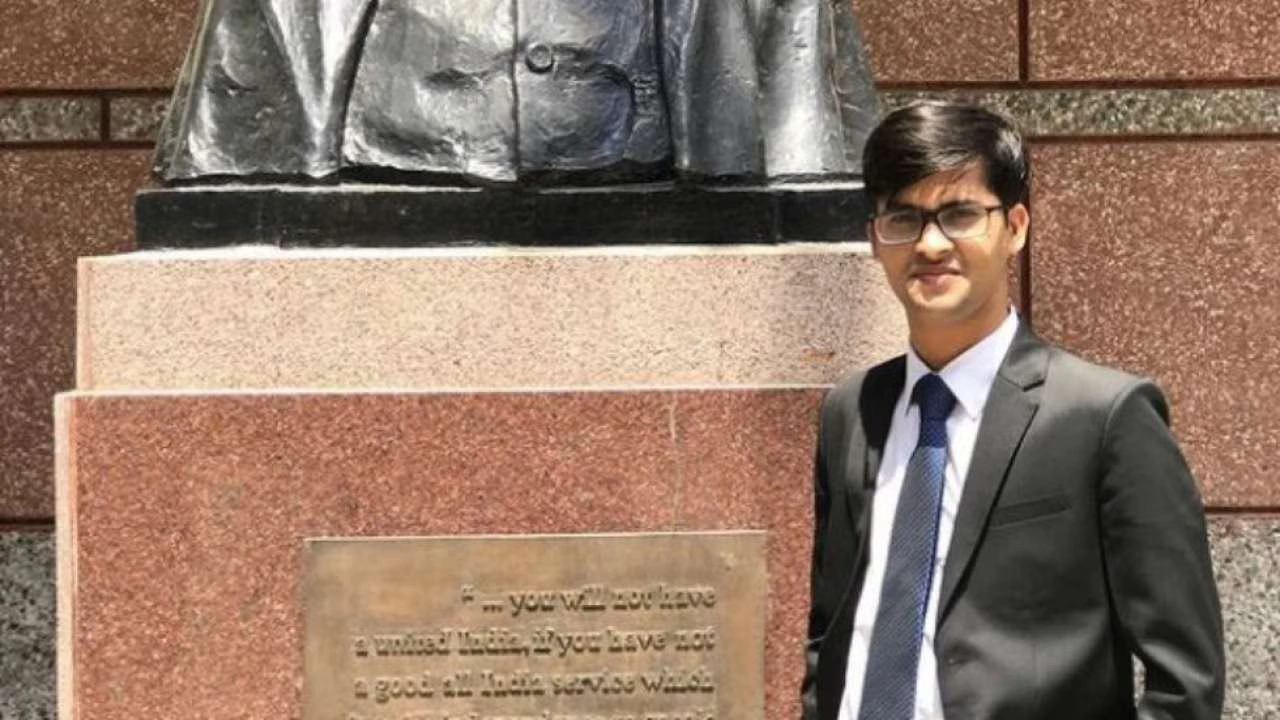
Ansar Shaikh, officially known as Shaikh Ansar Ahamad, represents one of contemporary India’s most inspiring success stories – a narrative of triumph over adversity that defies conventional assumptions about economic mobility and educational achievement. Born on 1 June 1994 in Jalna, Maharashtra, Ansar Shaikh has transcended extraordinary poverty to become India’s youngest IAS officer, clearing the Union Public Service Commission (UPSC) Civil Services Examination at merely 21 years of age.
Quick Facts Summary Table
| Attribute | Details |
|---|---|
| Full Name | Shaikh Ansar Ahamad / Ansar Shaikh |
| Professional Title | IAS Officer, Additional District Magistrate |
| Date of Birth | 1 June 1994 |
| Age (as of 2026) | 31 years |
| Birthplace | Jalna, Maharashtra, India |
| Hometown | Shelgaon Village, Jalna District, Maharashtra |
| Nationality | Indian |
| Zodiac Sign | Gemini |
| Religion | Islam |
| Current Position | Additional District Magistrate (ADM), Malda, West Bengal |
| Cadre | West Bengal (2016 Batch IAS) |
| UPSC Exam Year | 2016 |
| UPSC Rank | All India Rank 361 |
| Age at UPSC Success | 21 years (Youngest IAS Officer in India) |
| Attempt Number | First Attempt |
| Optional Subject | Political Science |
| Exam Medium | Marathi |
| Education | Bachelor’s in Political Science (Fergusson College, Pune) |
| 12th Marks | 91% / 95% (reported variations) |
| Graduation Percentage | 73% |
| School | Lucknow Public School |
| Parents’ Names | Father: Yonus Shaikh Ahmad, Mother: Adeela Shaikh |
| Father’s Occupation | Autorickshaw Driver |
| Mother’s Occupation | Farm Laborer |
| Siblings | Brother (left studies to support family), Sister (married young) |
| Marital Status | Unmarried |
| Years in Public Service | 9+ Years (since 2016) |
| Major Administrative Roles | Assistant Secretary, Officer on Special Duty, ADM Cooch Behar, ADM Malda |
| Previous Posting | Cooch Behar, West Bengal |
| Current Posting | Malda, West Bengal (Dec 2024-Present) |
| Unique Achievement | Youngest IAS Officer in India at age 21 |
| Educational Philosophy | Evidence-based governance, grassroots development |
| Inspiration Source | Teachers, family struggles, determination |
| Notable Feature | First graduate and IAS officer from his family |
Personal Information & Identity

Ansar Shaikh’s identity encapsulates the transformative power of determination, intellectual excellence, and unwavering commitment to public service. At 31 years old (as of 2026), Ansar Shaikh continues serving as Additional District Magistrate (ADM) of Malda, West Bengal – a position through which he implements his vision of grassroots development and citizen-centric governance.
Unlike many IAS officers emerging from privileged educational backgrounds and financially secure families, Ansar Shaikh’s journey uniquely embodies India’s promise of merit-based advancement. His success fundamentally challenges systemic assumptions about who can achieve India’s most prestigious civil service qualifications, demonstrating that intellectual capability transcends socioeconomic circumstances.
Family Background & Personal Life
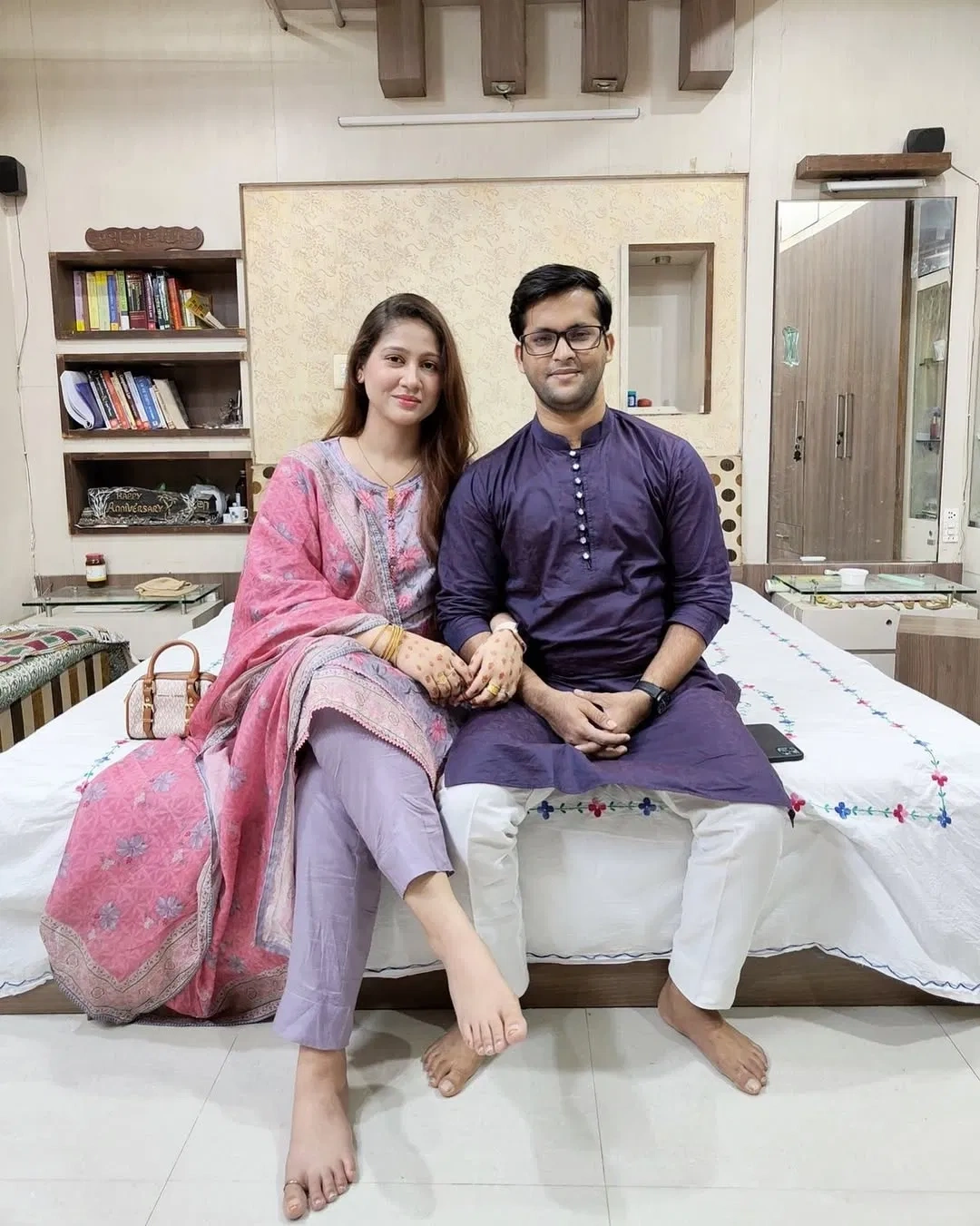
Family Structure & Socioeconomic Context
Parents:
Father: Yonus Shaikh Ahmad – An autorickshaw driver by profession, Ansar Shaikh’s father represents the working poor struggling daily for family survival. Operating a public transport vehicle in Maharashtra, Yonus Shaikh Ahmad faced enormous financial constraints attempting to provide children’s education despite negligible income.
Mother: Adeela Shaikh – A farm laborer working on agricultural land, Ansar Shaikh’s mother represents doubly marginalized women – toiling in agricultural sectors with minimal wages while managing household responsibilities. Her dedication to children’s welfare despite financial hardship exemplifies sacrifice central to Ansar Shaikh’s motivation.
Childhood Struggles & Family Challenges
Growing up in Shelgaon village, Jalna district – a drought-hit region of Maharashtra’s Marathwada area – Ansar Shaikh experienced poverty characterized by:
- Economic Scarcity: Daily uncertainty regarding food security and basic necessities
- Limited Infrastructure: Inadequate water supply, electricity, and educational facilities in village
- Parental Challenges: Father battled alcoholism affecting family stability; mother endured domestic hardship
- Sibling Struggles: Elder brother left studies at young age to support family; sister married early due to economic circumstances
- Educational Obstacles: Minimal family resources for educational investment and tutoring
Siblings & Extended Family
Brother: Left formal education early to work and contribute family income during critical years when Ansar Shaikh pursued studies
Sister: Married at young age, reflecting socioeconomic pressures common among rural families, particularly affecting daughters
The family’s financial constraints meant Ansar Shaikh’s educational pursuits required extraordinary sacrifice from all family members. While siblings compromised their own educational opportunities, Ansar Shaikh pursued studies with family’s collective support and hopes.
Educational Background & Academic Achievements

Early Schooling – Foundation of Excellence
Primary & Secondary Education:
- Institution: Lucknow Public School
- Academic Excellence: Demonstrated exceptional academic performance despite economically disadvantaged circumstances
- Class 12 Performance: Scored approximately 91-95% marks (sources report variations)
- Academic Recognition: Excelled despite attending school while managing family poverty
Attending Lucknow Public School – a relatively prestigious educational institution – itself represented significant family investment. Ansar Shaikh’s academic excellence from early schooling signaled exceptional intellectual capability that would later manifest in UPSC success.
Higher Education – Political Science Specialization
Institution: Fergusson College, Pune Degree: Bachelor of Arts in Political Science Percentage: 73% Graduation Year: Approximately 2014-2015
Fergusson College – one of India’s premier liberal arts institutions – provided Ansar Shaikh rigorous academic training in political science, governance, and social studies. The political science background subsequently informed his UPSC optional subject selection and administrative philosophy.
Ansar Shaikh’s UPSC Preparation Journey
After graduation from Fergusson College, Ansar Shaikh pursued focused preparation for UPSC Civil Services Examination – recognizing this pathway as mechanism for social mobility and public service opportunity.
Preparation Strategy:
- Study Duration: Approximately 1-2 years focused preparation
- Daily Study Hours: 10-12 hours during initial preparation, escalating to 14-15 hours during mains examination stage
- Coaching: Attended private UPSC coaching institutes for structured guidance
- Optional Subject: Political Science (complementing undergraduate background)
- Exam Medium: Marathi (chosen language for papers)
- Strategy: Integrated current affairs, governance knowledge, and analytical thinking
UPSC Civil Services Examination 2016 – Historic Achievement
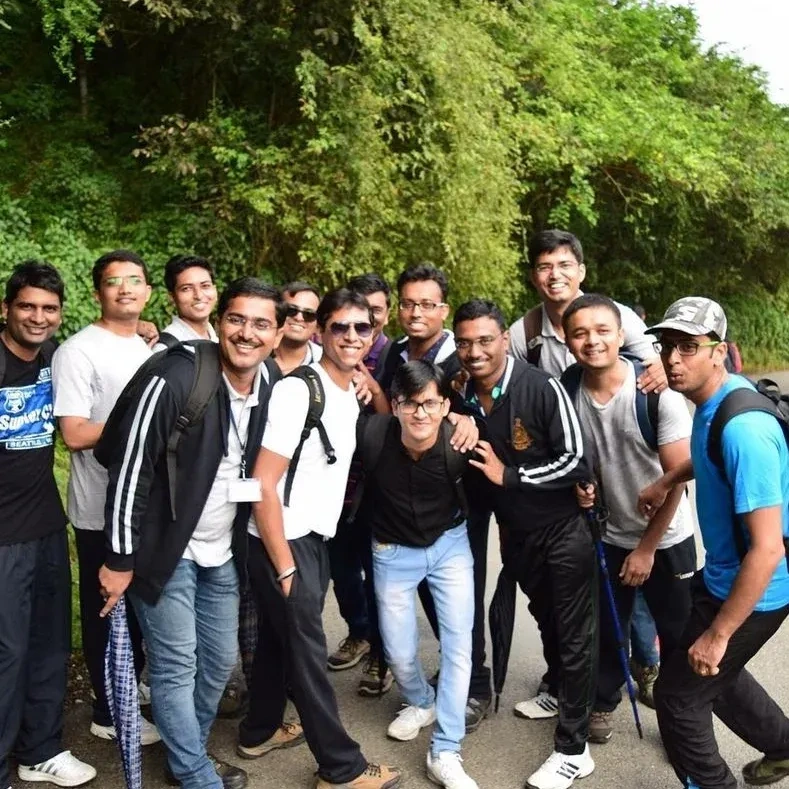
Examination Year: 2016 All India Rank (AIR): 361 Attempt Number: First Attempt Age at Success: 21 years Historic Achievement: Youngest IAS Officer in India
| UPSC Examination Component | Details |
|---|---|
| Exam Year | 2016 |
| All India Rank | 361 |
| Age | 21 years |
| Attempt Number | First |
| Optional Subject | Political Science |
| Exam Medium | Marathi |
| Cadre Allotted | West Bengal (later served in WB) |
| Service Selected | Indian Administrative Service (IAS) |
| Achievement | Youngest IAS Officer in India |
Ansar Shaikh’s UPSC success represented watershed moment in Indian civil services history – demonstrating that economically disadvantaged candidates from non-urban backgrounds could compete effectively in India’s most competitive examination. His first-attempt success at age 21 exemplified intellectual brilliance, strategic preparation, and psychological resilience required for UPSC success.
Academic Achievements Summary
| Educational Milestone | Year | Details |
|---|---|---|
| Class 12 Completion | ~2011 | 91-95% marks, Lucknow Public School |
| Graduation | ~2014-15 | BA Political Science, Fergusson College, Pune (73%) |
| UPSC Preparation | 2015-16 | 10-15 hours daily study, private coaching |
| UPSC 2016 Success | 2016 | AIR 361, Age 21, First Attempt |
| IAS Appointment | Oct 2016 | Joined IAS 2016 Batch |
| West Bengal Posting | 2016 | Allotted West Bengal Cadre |
Physical Statistics & Personal Appearance
| Attribute | Details |
|---|---|
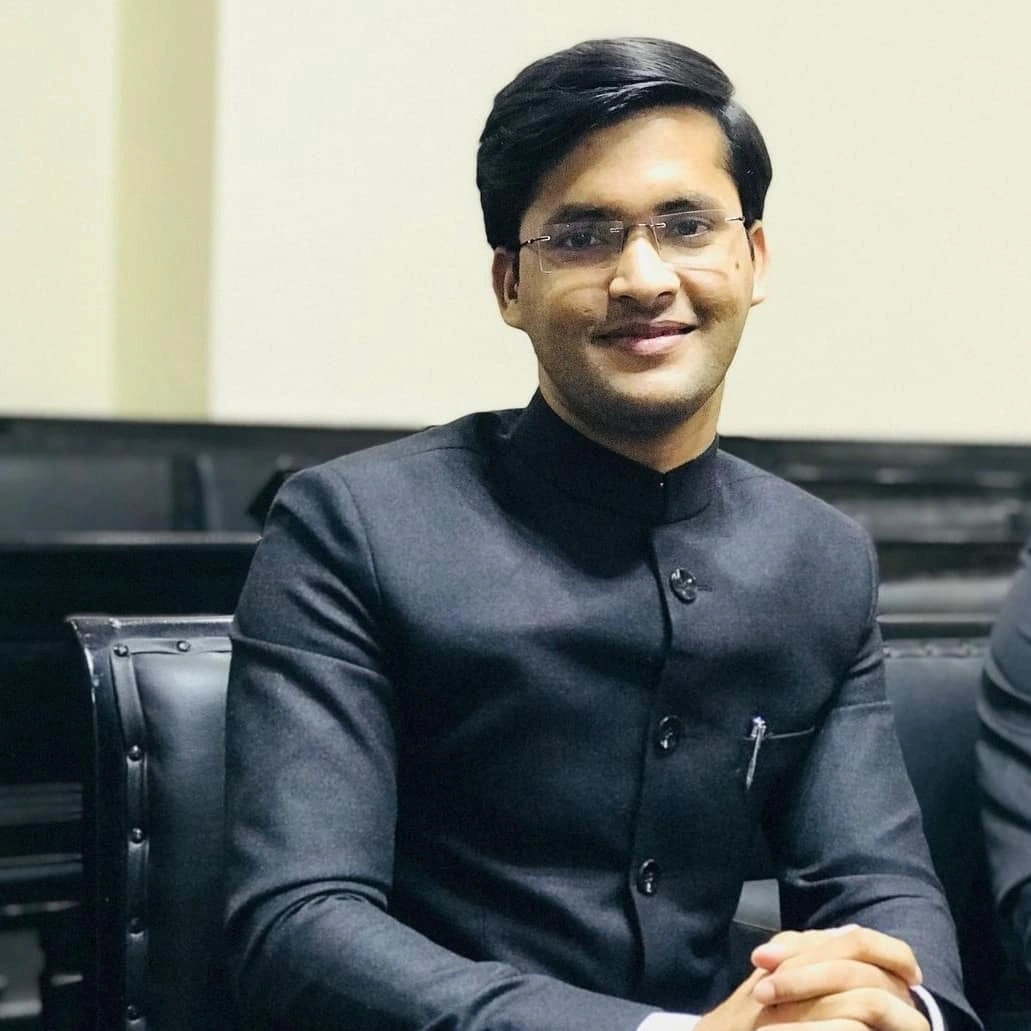
| Height | Approximately 5’8″ (173 cm) – Average to slightly below average Indian male height |
| Build | Lean, athletic physique maintained through fitness discipline |
| Eye Color | Dark Brown |
| Hair Color | Black |
| Skin Tone | Fair to Medium |
| Facial Features | Sharp, expressive features, intelligent appearance |
| Age Appearance | Appears younger than chronological age due to youthful features |
| Distinctive Marks | None publicly documented |
| Professional Appearance | IAS uniform, formal business attire typical of civil service officers |
| Television Presence | Articulate, confident communication style, approachable demeanor |
| Body Language | Humble, non-pompous bearing despite senior administrative position |
| Overall Impression | Young, energetic, intellectually sharp appearance |
UPSC & Career Timeline: Year-Wise Progression
| Year | Age | Position/Role | Organization/Location | Key Achievement | Responsibility |
|---|---|---|---|---|---|
| 2014-15 | 20-21 | College Student & UPSC Aspirant | Fergusson College, Pune / Coaching Centers | Focused preparation begins | Intensive UPSC study |
| 2016 | 21 | UPSC Candidate | UPSC Examination | AIR 361 – First Attempt | Cleared Civil Services Exam |
| Oct 2016 | 22 | IAS Probationer | IAS Training Academy | Joined IAS 2016 Batch | Foundation training |
| 2016-17 | 22-23 | IAS Probationer | Lal Bahadur Shastri National Academy of Administration, Mussoorie | Foundation Course | Professional training |
| 2017 | 23 | Probationary Officer | West Bengal Cadre (Initial Posting) | Begins administrative duties | Administrative training |
| ~2017-18 | 23-24 | Assistant Secretary / Officer on Special Duty | West Bengal Government | Early administrative experience | Departmental assignments |
| ~2018-19 | 24-25 | Sub-Divisional Officer (SDO) | Dinhata, Cooch Behar, West Bengal | Development work | Local administration |
| ~2019-20 | 25-26 | Additional Officer / Additional Role | Cooch Behar District | Administrative expansion | District-level responsibility |
| ~2020-22 | 26-28 | Administrative Roles | Various West Bengal postings | Varied assignments | Multiple departmental work |
| ~2022-24 | 28-30 | Additional District Magistrate (ADM) | Cooch Behar, West Bengal | Senior administrative role | District governance |
| Dec 2024 | 30 | Additional District Magistrate (ADM) | Malda, West Bengal | Current posting | District governance |
| 2025-26 | 31-32 | ADM Malda | Malda, West Bengal | Ongoing tenure | Administrative duties |
Major Achievements & Recognition

| Achievement/Recognition | Year/Period | Awarding Body/Context | Significance |
|---|---|---|---|
| UPSC 2016 Success | 2016 | Union Public Service Commission | AIR 361 at age 21 |
| Youngest IAS Officer in India | 2016 | UPSC/Government of India | Historic distinction for merit-based advancement |
| First Attempt UPSC Success | 2016 | UPSC | Cleared exam on maiden attempt |
| IAS 2016 Batch Induction | Oct 2016 | Government of India | Formal induction into Indian Administrative Service |
| West Bengal Cadre Allotment | 2016 | Cadre Allocation Committee | Assigned prestigious administrative cadre |
| Multiple Administrative Postings | 2017-2026 | West Bengal Government | Successfully completed various administrative assignments |
| ADM Cooch Behar (2022-24) | 2022-24 | West Bengal Government | Senior district-level responsibility |
| ADM Malda (2024-Present) | Dec 2024-Present | West Bengal Government | Current prominent administrative position |
| Administrative Competence | Ongoing | Government/Public Recognition | Demonstrated governance capability across postings |
| Public Service Commitment | 2016-Present | Government/Civil Society | Consistent dedication to administrative duties |
| Inspirational Public Figure | 2016-Present | Media/Educational Sector | Recognition as motivational symbol for underprivileged youth |
| Media Recognition | Ongoing | News Media | Regular features in educational and motivational programs |
| Institutional Representation | Ongoing | Various Forums | Speaker at educational institutions, civil service coaching centers |
Administrative Positions Held: Chronological Overview
2016-2017: Probationary Period
- IAS Probationer
- Location: Lal Bahadur Shastri National Academy of Administration, Mussoorie
- Duration: Foundation training period
- Responsibility: Foundational administrative and professional training
2017-2018: Early Administrative Career
- Assistant Secretary / Officer on Special Duty
- Department: West Bengal Government
- Responsibility: Early administrative experience, policy implementation
- Focus: Departmental assignments and governance support
2018-2020: Field Administration
- Sub-Divisional Officer (SDO)
- Location: Dinhata Subdivision, Cooch Behar District, West Bengal
- Duration: ~2 years
- Responsibility: Local administration, grassroots governance, citizen service
2020-2022: District-Level Administration
- Additional Officer / Various Administrative Roles
- Location: Cooch Behar District, West Bengal
- Responsibility: Expanded district-level administrative duties
- Focus: Development initiatives, governance coordination
2022-2024: Senior District Administration
- Additional District Magistrate (ADM)
- Location: Cooch Behar District, West Bengal
- Duration: ~2 years
- Responsibility: Senior district governance, development coordination, administration
- Key Focus: District-level policy implementation
2024-Present: Current Position
- Additional District Magistrate (ADM), Zilla Parishad (Development)
- Location: Malda District, West Bengal
- Duration: Dec 2024-Present (ongoing)
- Responsibility: District development governance, administrative leadership, citizen services
- Current Focus: District administration, development projects implementation
Detailed Biography: The Ansar Shaikh Story

Early Life & Humble Beginnings: A Story of Poverty & Aspiration
Ansar Shaikh’s life narrative begins in Shelgaon – a drought-hit village in Maharashtra’s Jalna district, part of the historically agriculturally-challenged Marathwada region. Born on 1 June 1994 into circumstances of extreme economic hardship, Ansar Shaikh entered a world where daily survival constituted primary family struggle rather than exception.
The Shelter that Barely Sheltered:
Shelgaon village represented rural India’s harsh realities – drought conditions perpetually affected agricultural livelihoods; water scarcity characterized daily existence; educational infrastructure remained minimal; economic opportunities amounted to subsistence work. The village embodied challenges facing millions of rural Indian families struggling against natural adversity and economic marginalization.
Family’s Economic Struggle:
Ansar Shaikh’s father, Yonus Shaikh Ahmad, operated autorickshaw services – work providing minimal daily income, fluctuating with passenger availability and fuel costs. Autorickshaw operation represents India’s transportation sector’s backbone, yet vehicle operators earn subsistence wages barely sufficient for family survival. The autorickshaw represented both livelihood source and symbol of economic precarity characterizing his family’s existence.
His mother, Adeela Shaikh, toiled as agricultural farm laborer – working in others’ fields for minimal daily wages, experiencing typical farm worker exploitation characterized by low compensation, long hours, and lack of social security protection. Farm labor represented invisible work upon which Indian agricultural productivity depends, yet remains among the lowest-paid and most exploited labor categories.
Parental Struggles Shaping Childhood:
Beyond economic hardship, Ansar Shaikh’s father struggled with alcoholism – addiction affecting millions of Indian families, particularly among economically stressed populations. Alcoholism compounds poverty’s effects, diverting limited family resources and creating psychological trauma affecting children. Despite these struggles, his father maintained commitment to children’s education – sacrifice reflecting extraordinary parental dedication despite personal challenges.
His mother endured domestic hardship characteristic of many Indian rural women – bearing both economic responsibility and household burden while facing limited agency and support systems. Yet she prioritized children’s welfare, recognizing education as escape pathway from generational poverty.
Siblings’ Struggles Informing Perspective:
Ansar Shaikh’s elder brother abandoned formal education to work and support family – sacrifice enabling Ansar’s educational continuation. This sacrifice exemplified common dynamics within economically vulnerable families where eldest male child often foregoes personal educational aspirations to support younger siblings’ advancement.
His sister married at young age due to economic circumstances – pattern affecting millions of rural girls despite national educational emphasis. Early marriage eliminated her educational possibilities and subjected her to adult responsibilities premature compared to urban counterparts. Her experience motivated Ansar’s determination regarding educational achievement enabling improved family circumstances preventing similar outcomes.
Educational Struggles & Achievement: Defying Poverty’s Constraints
School Education Against Adversity:
Despite overwhelming poverty, Ansar Shaikh’s parents prioritized education – recognized as poverty-breaking mechanism offering escape from generational economic cycles. This parental commitment required extraordinary sacrifice – diverting scarce resources toward school fees, uniforms, materials, and transportation despite inadequate family income.
Ansar’s attendance at Lucknow Public School represented significant family investment – boarding school arrangement suggesting early academic recognition and deliberate educational planning. Schooling away from home village meant family separation during formative years yet provided access to quality educational institution unavailable in drought-hit village.
Academic excellence characterized Ansar’s school years – achieving approximately 91-95% marks in Class 12 examinations. These exceptional scores reflected extraordinary intellectual capability combined with determination transcending poverty’s distractions. School education success provided foundation for higher education pursuits.
College Years & Higher Specialization:
Ansar pursued graduation at Fergusson College, Pune – one of India’s premier liberal arts institutions. Fergusson College admission itself represented achievement, requiring competitive entrance examinations and merit-based selection from thousands of aspirants. Attendance at prestigious institution provided exposure to intellectual excellence and analytical rigor characterizing premier educational establishments.
Political Science specialization reflected strategic educational planning – chosen discipline providing governance and public administration theoretical foundation aligning with subsequent civil service aspirations. Political science degree offered comprehensive understanding of administrative systems, constitutional frameworks, and public policy mechanisms essential for competitive civil service examination success.
Graduation Achievement Despite Constraints:
Completing Fergusson College degree with 73% marks reflected commitment to academic excellence while managing financial constraints and socioeconomic pressures affecting concentration and focus. The percentage, while not highest possible, demonstrated solid academic foundation combined with evidence of personal struggle balancing multiple responsibilities.
UPSC Preparation Journey: Extraordinary Determination
Post-Graduation Deliberation:
Upon college graduation around 2014-15, Ansar Shaikh faced critical life decision – pursue conventional employment or attempt UPSC Civil Services Examination. UPSC examination represented India’s most competitive examination, requiring extraordinary preparation intensity and intellectual capability. Success remained statistically unlikely, particularly for economically disadvantaged candidates from non-urban backgrounds.
Yet Ansar Shaikh chose UPSC pathway – recognizing civil service as mechanism achieving substantial economic security, social status elevation, and public service opportunity. This decision reflected calculated risk-taking and extraordinary self-belief despite limited family support systems and financial resources.
Preparation Strategy:
Ansar engaged private UPSC coaching institutes – significant financial investment for economically disadvantaged family yet recognized as essential for competitive examination success. Coaching provided structured preparation guidance, current affairs updates, test series practice, and experienced mentorship from successful UPSC candidates.
Study Intensity & Dedication:
Preparation phase characterized by extraordinary time commitment:
- Initial preparation: 10-12 hours daily study
- Mains examination stage: 14-15 hours daily study
- Consistent focus on current affairs, governance concepts, and analytical skills
- Rigorous test series practice and performance evaluation
- Strategic subject selection including Political Science optional
This preparation intensity reflected absolute commitment to UPSC success – lifestyle essentially consisting of preparation activities with minimal leisure or social engagement. Psychological resilience required to maintain such intensity demonstrated extraordinary determination.
Strategic Subject & Medium Selection:
Ansar chose:
- Optional Subject: Political Science (complementing undergraduate background, providing coherent knowledge foundation)
- Exam Medium: Marathi (regional language demonstrating linguistic confidence)
These strategic choices reflected calculated preparation planning – leveraging educational background while maintaining regional language comfort.
UPSC 2016 Triumph: Historic Achievement
The Examination Experience:
Sitting for UPSC Civil Services Examination in 2016, Ansar Shaikh faced India’s approximately 1.3 million competitive civil service examination aspirants annually – statistical odds extremely unfavorable to any individual candidate. Yet Ansar possessed advantages derived from focused preparation, intellectual capability, and extraordinary determination.
The examination itself spanned months – preliminary examination testing current affairs knowledge and logical reasoning, followed by comprehensive mains examination covering diverse subject areas, culminating in personality interview assessing overall suitability for civil service.
Result – All India Rank 361:
When UPSC results were announced, Ansar Shaikh achieved All India Rank (AIR) 361 – extraordinary achievement on first attempt at age merely 21 years. This rank positioned him not only for IAS selection but also held profound significance – making him India’s youngest-ever IAS officer, surpassing previous records and establishing new benchmark for youth achievement in civil services.
Historic Significance:
AIR 361 at age 21 represented watershed moment in Indian administrative history:
- Demonstrated that socioeconomic disadvantage need not prevent top-tier achievement
- Proved merit-based advancement transcends class barriers in Indian system
- Established that first-attempt UPSC success remains achievable possibility
- Created inspirational narrative for millions of economically disadvantaged youth
This achievement garnered immediate media attention and public recognition – transforming Ansar from anonymous village youth to nationally recognized figure symbolizing merit-based advancement and social mobility possibilities.
IAS Induction & Early Administrative Career
October 2016: Service Commencement
Following UPSC success, Ansar joined Indian Administrative Service in October 2016 as part of 2016 IAS batch – receiving formal government appointment as full-fledged IAS officer. Induction represented culmination of educational journey and beginning of administrative service career.
Training at LBSNAA:
All IAS officers complete mandatory foundational training at Lal Bahadur Shastri National Academy of Administration (LBSNAA) at Mussoorie – premier civil service training institution imparting professional knowledge, administrative procedures, and institutional values. Training period provided Ansar comprehensive administrative foundation while building peer relationships with fellow IAS officers.
West Bengal Cadre Allotment:
Through cadre allocation process, Ansar received posting in West Bengal cadre – administrative jurisdiction comprising West Bengal state with approximately 90 million population. West Bengal, India’s intellectually significant state with strong bureaucratic tradition, provided substantial administrative experience.
Early Postings (2017-2018):
Upon completing training, Ansar received early postings as:
- Assistant Secretary / Officer on Special Duty in West Bengal government
- Administrative roles providing foundational governance experience
- Exposure to state-level administrative procedures and policy implementation
Conclusion: Legacy, Impact & Future Vision
Ansar Shaikh fundamentally transformed Indian administrative service narrative regarding age, socioeconomic origin, and merit-based advancement. His achievement demonstrated that:
- Civil service qualifications remain achievable regardless of family economic circumstances
- Youth candidates possess legitimate achievement capabilities in competitive examination contexts
- Merit-based advancement transcends class barriers in Indian system
- Administrative excellence correlates with dedication and competence rather than privilege or origin
These demonstrated truths challenge systemic assumptions and expand possibility horizons for millions of Indian youth.
Read More: Sudhanshu Trivedi,anshika verma ips , srushti deshmukh age
Frequently Asked Questions
Q1: What is Ansar Shaikh’s current position?
A: Ansar Shaikh currently serves as Additional District Magistrate (ADM) of Malda district, West Bengal since December 2024. He is responsible for district governance, development coordination, and citizen service delivery in this administrative capacity.
Q2: When was Ansar Shaikh born?
A: Ansar Shaikh was born on 1 June 1994 in Jalna, Maharashtra. He is currently 31 years old (as of 2026). His zodiac sign is Gemini.
Q3: What was Ansar Shaikh’s UPSC rank and when did he clear UPSC?
A: Ansar Shaikh secured All India Rank (AIR) 361 in UPSC Civil Services Examination 2016, clearing the exam on his first attempt at age 21 years. This achievement made him India’s youngest IAS officer.
Q4: What is Ansar Shaikh’s educational qualification?
A: Ansar Shaikh holds:
- Bachelor of Arts in Political Science from Fergusson College, Pune (73%)
- Class 12 qualification with 91-95% marks from Lucknow Public School
- IAS 2016 Batch qualification from Union Public Service Commission
Q5: What is Ansar Shaikh’s family background?
A: Ansar Shaikh comes from economically disadvantaged family:
- Father: Yonus Shaikh Ahmad (autorickshaw driver)
- Mother: Adeela Shaikh (farm laborer)
- Elder brother left studies to support family
- Sister married young due to economic circumstances
- Village: Shelgaon, Jalna district, Maharashtra (drought-hit area)
Q6: Is Ansar Shaikh married?
A: As per available information, Ansar Shaikh remains unmarried as of current records. He has prioritized administrative career and public service over personal life arrangements.
Q7: What makes Ansar Shaikh unique among IAS officers?
A: Ansar Shaikh possesses several unique distinctions:
- Youngest IAS officer in India (age 21)
- Cleared UPSC on first attempt
- Emerged from extreme poverty background
- Son of autorickshaw driver and farm laborer
- First graduate and IAS officer in his family
- Young Muslim IAS officer representation
Q8: What was Ansar Shaikh’s optional subject in UPSC?
A: Ansar Shaikh chose Political Science as his optional subject in UPSC examination – strategic choice complementing his undergraduate specialization in the same discipline.
Explore more blogs at: Famelifeaura.com
